$40 Million Luxury House: Unveiling an Extraordinary Triplex Apartment in the Heart of Paris, France
================================================================================
AUDIT PARAMETERS & ASSET PROFILE
================================================================================
Asset Type............................ Historic Branded Triplex Apartment / Mansion Core
Total Interior Footprint.............. 857 Square Meters (Plus 88 Sqm Service Unit)
Structural Envelope Layer............. Mid-18th Century Hôtel Particulier
Outdoor Allocations................... Private Landscaped Courtyard & Gated Gardens
Basement Configuration................ 269 Sqm English-Style Lightwell Extraction
Renovation Holding Window............. 4-Year Full-Scale Structural Restoration
Optional Expansion Core............... 200.39 Sqm Street-Facing Apartment Add-On (€5.0M)
================================================================================
The ultra-luxury residential market in Paris, France, operates on a highly strategic valuation premium supported by historical scarcity, neighborhood heritage, and unrepeatable architectural footprints. When a private domain within a classic mid-18th century hôtel particulier enters the market carrying an entry asset valuation of $40,000,000 USD (approximately €37,000,000), consumer-facing real estate marketing networks instantly activate a standard hyper-premium narrative. They deploy highly emotional prose detailing grand entrances, sunlit portals, and timeless sanctuaries, inviting affluent buyers to view a highly complex, historical infrastructure asset as a simple, passive residential holiday pad.
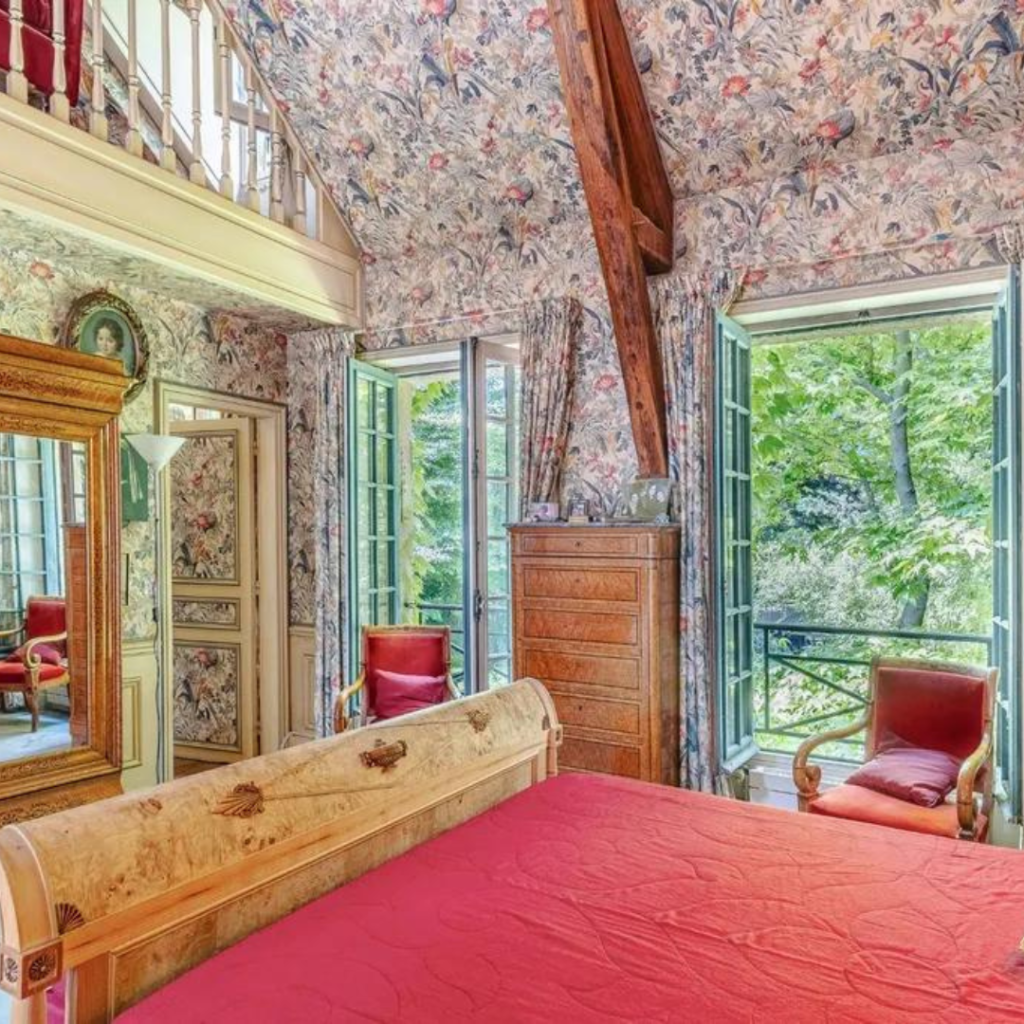
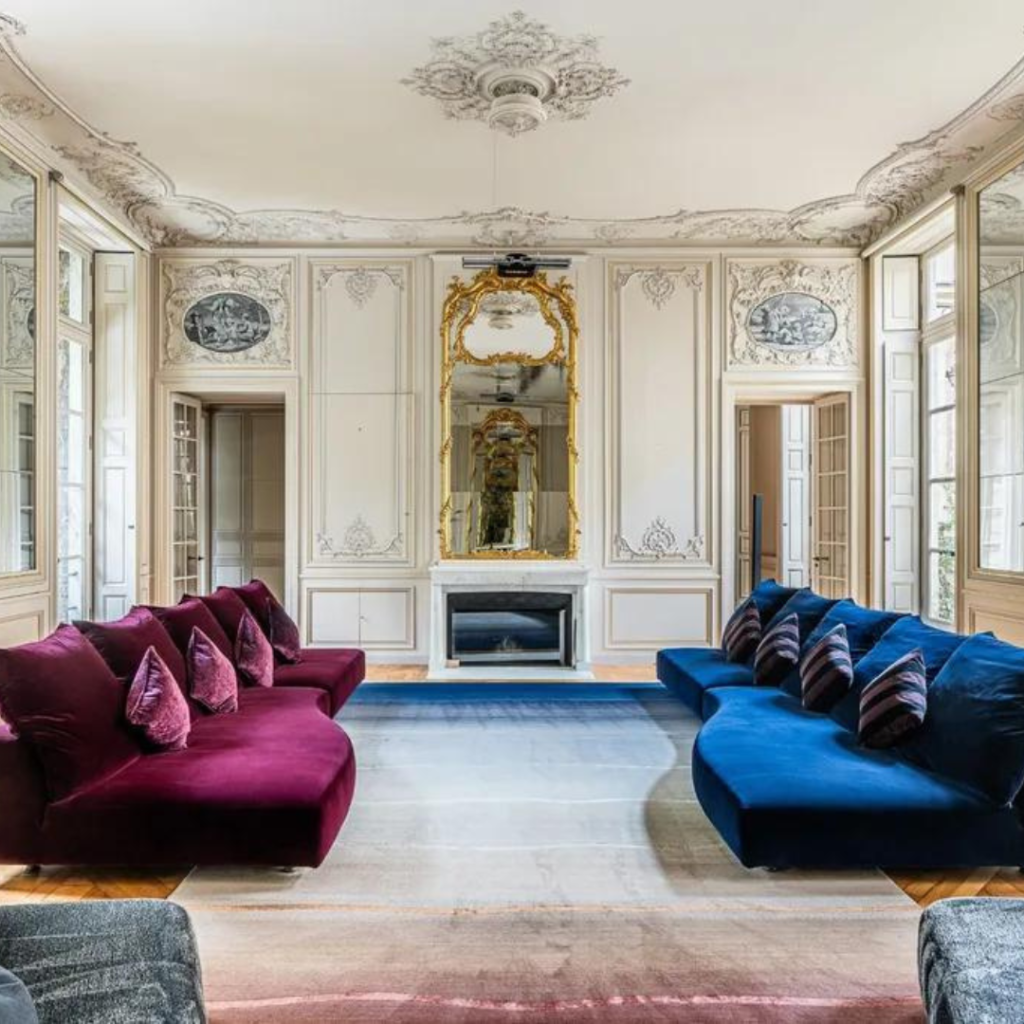
The physical asset commanding this significant price tier is an extraordinary 857 square meter triplex residence spanning three primary levels, seamlessly integrated into a protected courtyard and private garden layout. The interior map includes a 90 square meter main grand living room featuring four monumental sets of French doors, multi-wing study rooms, a winter garden salon, a master bedroom wing with dual independent en-suite bathrooms and dressing arenas, and three secondary guest suites.
Crucially, the building incorporates a 269 square meter English-style lightwell basement housing a professional kitchen, a formal banquet dining room, a 1,000-bottle wine cellar, a cold-storage room, and structural infrastructure spaces, all linked via an internal vertical elevator system. The portfolio also includes an independent 88 square meter, three-bedroom staff service apartment and a conditional option to acquire a contiguous 200.39 square meter street-facing apartment framework for an additional €5,000,000.
On a glossy architectural tour or an international wealth index summary, this Parisian compound presents an imagery of pristine historical victory.
However, when a sophisticated institutional investor or family office analyzes an allocation crossing the forty-million-dollar mark, the evaluation must look past the romantic design finishes. We must execute a rigorous, data-driven structural engineering, historical conservation law, and cross-border tax architecture audit.
Operating an 850+ square meter residential layout carved inside a mid-18th century masonry skeleton introduces notable long-term operational liabilities. This exhaustive analysis looks past the standard lifestyle narrative, analyzes the maintenance mechanics of historical French limestone, confronts the complex regulatory restrictions of Paris zoning parameters, and outlines the strategic metrics required to determine whether this €37,000,000 landmark represents a true investment masterstroke or a profound, time-consuming capital drain.
1. The Historical Structural Matrix: Maintaining 18th-Century Load-Bearing Limestone Envelopes
The primary aesthetic and historical foundation of this Parisian triplex is its placement within an authentic mid-18th century hôtel particulier. Built utilizing classic Lutetian limestone (pierre de taille) and heavy structural oak timber floor joists, these buildings represent the pinnacle of French Enlightenment classical architecture. Brokers highlight the property’s intensive, four-year renovation timeline as a guarantee of complete, worry-free structural stability.
From a structural engineering perspective, operating a multi-level 857 square meter residential layout inside an ultra-dense, 270-year-old masonry frame introduces persistent structural maintenance liabilities that require specialized oversight:
                        [ Mid-18th Century Structural Skeleton ]
                                           │
         (Aged Lutetian Limestone, Timber Floor Joists, & Interfacial Lime Mortar)
                                           │
         ┌─────────────────────────────────┴─────────────────────────────────┐
         ▼                                                                   ▼
[ Sub-Surface Moisture Capillarity ]                       [ Timber Floor Joist Deflection ]
Groundwater travels upward through porous stone,           Altered internal structural weight loads place
causing interior lime plaster degradation.                 cyclic stress on historical floor structures.
The Capillary Moisture Ascension Abyss: Historical Parisian limestone is a highly porous sedimentary rock. Because these properties directly interface with the high water tables of the Seine Basin, they are continuously subject to capillary water ascension (remontée capillaire), where groundwater travels upward through the foundations and into the ground-floor walls. If the property’s subterranean injection barriers or breathability channels are not continuously audited, this trapped moisture will migrate into the 90 square meter main salon, causing expensive historical wood paneling (boiseries) to warp, and destroying hand-finished lime plaster walls.
The Post-Renovation Structural Settling Tax: Free-standing hôtels particuliers rely entirely on heavy exterior load-bearing walls and matching interior structural brick partitions. The execution of a comprehensive, four-year renovation means that substantial new dead loads—including premium marble en-suite bathrooms, sub-floor water heating layers, and centralized climate ducts—have been integrated into old timber floor assemblies. Over an extended holding window, these altered structural weight loads can cause micro-settling across the floors, triggering hairline fractures along the architectural ceilings and requiring continuous tracking adjustments to ensure frameless doors remain true within their jambs.
2. The Monuments Historiques and PSMV Legal Cage: Zero Modification Autonomy
The property is positioned within one of the most protected historic conservation sectors of Paris, heavily governed by the local Plan de Sauvegarde et de Mise en Valeur (PSMV) and overseen by the strict regional preservation authority, the Architecte des Bâtiments de France (ABF). While this tight legal wrapping protects the neighborhood’s extreme elite status, it places your investment capital inside an administrative cage.
If an international fund or ultra-high-net-worth investor desires to update or modify the property’s exterior envelope, the regulatory reality is a multi-layered permitting process:
[ Proposed Custom Double-Glaze Window Retrofit ] ──► [ Paris Municipal Urban PAC ] ──► [ ABF Conservation Audit ]
                                                                                                 │
[ Project Paralyzed / Costly Appeal Process ] ◄── [ Absolute Design Veto / Material Rejection ] ◄── [ Strict Historic Mandates ]
The Veto Power of the ABF: If you wish to replace the grand garden-facing French doors with high-performance modern double-glazing window modules, or install hidden exterior security camera positions along the historic courtyard facade, you cannot autonomously execute the task. The ABF maintains absolute legal veto power over any modification visible from public paths or shared courtyard spaces. They routinely mandate the use of historical materials, such as single-pane mouth-blown glass and traditional linseed-oil putty seals, which compromises thermal efficiency targets.
The Artisanal Cost Multiplier: When heritage parameters force you to execute basic structural repairs, standard modern construction methods are legally barred. You are legally required to hire certified restoration companies (Entreprises du Patrimoine Vivant) and historical masons who utilize low-volume fabrication techniques, turning basic property modernizations into lengthy, high-cost preservation projects.
3. The English-Style Basement Hydrodynamic Trap: Managing Subterranean Spa Infrastructure
The lower level of the triplex features a massive 269 square meter English-style basement (souplex), illuminated by lightwell windows that extract natural light from the courtyards above. This footprint houses a formal banquet dining hall, a professional kitchen facility, a cold-storage vault, a laundry facility, and a massive open flex-room designed to balance a private home cinema or corporate wellness fitness center.
While utilizing subterranean square footage is an intelligent method to expand capacity within the dense core of Paris, running high-volume climate, kitchen, and fitness infrastructure below the urban street grade introduces notable technical risks:
+-----------------------------------+-----------------------------------+
| Unified Single-Level Ground Floor | Decentralized Sub-Grade Souplex   |
+-----------------------------------+-----------------------------------+
| Passive gravity-fed drainage,     | Mechanical lift pumps required to |
| standard ventilation loops, and   | discharge waste upwards into public|
| low structural damp exposure risks.| main municipal sewer systems.     |
+-----------------------------------+-----------------------------------+
Because the basement floor sits significantly lower than the public main municipal sewer lines running beneath the Parisian avenues, the estate cannot rely on passive, gravity-fed wastewater drainage. The property must run multiple heavy-duty, commercial-grade lifting pumps (pompes de relevage) around the clock to discharge gray water from the professional kitchen and lower washrooms upwards into the public street grid. If a severe summer rainstorm triggers localized electrical infrastructure grid failures and your backup generation networks experience a startup delay, the subterranean layout faces immediate hydrostatic backup risks, transforming a luxury utility zone into a critical mechanical vulnerability.
4. The Winter Garden Thermodynamics and Condensation Loop
To bridge the transition between the interior ground floor working spaces and the outdoor landscaped gardens, the layout incorporates a beautifully structured glass winter garden (jardin d’hiver). Real estate brokers pitch this feature as an idyllic retreat where you can relax, unwind, and enjoy natural greenery throughout the cool European winter months.
The physical challenge that experienced property managers analyze is the intense thermodynamic tension created by a large-scale glass enclosure integrated into a historic stone shell:
[ Active Winter Garden Internal Heating ] ──► [ High-Volume Moisture Evaporation ] ──► [ Air Saturation Loop ]
                                                                                                   │
[ Premature Facade Weathering ] ◄── [ Heavy Condensation on Cold Glass Panes ] ◄── [ HVAC System Loading ]
During the winter cycle, the interior of the winter garden is actively heated to support exotic indoor flora and personal lounge use, while the exterior glass faces are exposed directly to cold external Parisian air. This creates a severe thermal shock gradient across the custom steel and glass frameworks.
If the specialized air-handling units or dedicated dehumidification tracks experience an operational error or power drop for even a brief period, warm moisture-laden air will immediately condense along the cold glass panes and steel window tracks. This continuous moisture pooling can run down into the lower wall joins, leading to hidden lime plaster rot, oxidation of decorative ironworks, and damage to adjacent custom millwork finishes.
5. French Anti-Speculation Real Estate Taxation: Navigating the Fiscal Wealth-Erosion Matrix
The financial reality of deploying thirty-seven million Euros into the premium residential sector of France requires navigating an aggressive, multi-layered regulatory taxation framework explicitly engineered by national authorities to penalize high-value real estate holdings and offshore capital storage.
Upon entry, and throughout your holding window, your capital is subject to non-refundable fiscal drains that lower your overall portfolio velocity:
The Progressive Notaire Transaction Duties: In France, residential acquisition transaction closing fees—universally referred to as Frais de Notaire—scale progressively with asset value. For an old, historic property structure crossing the thirty-five million Euro threshold, the non-refundable registration duties (droits de mutation) and notary costs generate an immediate upfront cash drain of approximately 7% to 8%, scaling your entry penalty to over €2,590,000. This cash must be settled immediately upon deed signature, adds zero physical value to the property, and places your capital deeply in the red on day one.
The Impôt sur la Fortune Immobilière (IFI): France enforces a dedicated real estate wealth tax (IFI) targeting individuals whose net real estate assets exceed €1.3 million. For a €37,000,000 property held via a personal name or a basic real estate holding company (Société Civile Immobilière – SCI), the annual progressive tax brackets apply an aggressive recurring charge of up to 1.5% on the upper valuation tiers, extracting hundreds of thousands of Euros in pure asset surcharges every calendar year.
Taxe d’Habitation and Corporate Surcharges: If the property is held via an offshore corporate shell or an inactive entity to obscure ownership, French revenue authorities enforce a punitive annual 3% tax levied directly against the total market value of the property, creating an aggressive wealth-erosion mechanism unless structured through highly advanced tax-compliance channels.
6. The 857 Square Foot Spatial Redundancy Trap: Funding Freezing Dead Space
When wealthy international buyers search for Paris luxury real estate for sale or look at large 800+ square meter footprints, they often mistake vast scale for enhanced personal comfort. This sprawling triplex features an over-scaled layout incorporating a grand entry vestibule, multiple formal salons, independent study rooms for both Monsieur and Madame, an expansive library room, and an independent 3-bedroom staff apartment.
Let us map out the real-world operational efficiency of an over-scaled historical residential footprint over a standard calendar year:
================================================================================
PARIS TRIPLEX SPATIAL EFFICIENCY MATRIX
================================================================================
[██████] High-Frequency Active Zones (~30% Area Footprint)
       - Ground Floor Master Wing, Family Dining Area, Monsieur's Private Study.
[█████████████] Low-Frequency Dead Space (~70% Area Footprint)
       - Grand Living Salon, 3 First-Floor Guest Suites, English Basement, Service Unit.
================================================================================
In day-to-day operations outside of large-scale international gatherings or major family events, a family utilizes less than thirty percent of the available interior square footage. The secondary guest suites on the first floor, the grand formal living salon, the independent 3-bedroom staff service unit, and the vast interior circulation corridors sit entirely silent for months at a time.
Yet, because the building features soaring ceilings and vast open volumes, the entire 100% of the structure must be actively heated, ventilated, dehumidified, and monitored twenty-four hours a day, seven days a week. The constant indoor climate management required in Paris to prevent winter humidity from settling into historic fabrics, custom paneling, and fine artwork collections requires continuous HVAC activity. You are essentially funding the operational overhead of a luxury boutique hotel while only deriving personal utility from a tiny sliver of the space.
7. The Apex Illiquidity Trap: The Frozen Secondary Market of Parisian Private Domains
While the general residential real estate market across Paris shows steady transaction speed and reliable capital liquidity for standard 1-bedroom apartments and mid-tier family flats, those dynamic trading rules apply exclusively to mass-market assets. The exact millisecond a single residential property crosses the thirty million Euro threshold inside a historic hôtel particulier layout, it exits the fluid real estate market completely and enters an incredibly sticky, frozen asset layer.
▲ [ €37M+ Apex Layer: Historic Triplex Domain ] ──► Buyer Pool: Handful of Sovereign Funds & Global Billionaires (Years to Exit)
■ [ €3M - €7M Layer: Standard Haussmannian Flats ] ──► Buyer Pool: Affluent Regional Industrialists & Executives (Moderate Speed)
● [ Under €1.5M Layer: Mass Market Urban Condos ] ──► Buyer Pool: General Public & General Retail Investors (High Velocity Trading)
If your primary business operations, international ventures, or global equity portfolios encounter an unexpected requirement for rapid liquidity, you cannot easily or quickly convert an 857 square meter historic chateau layout into liquid cash. The absolute pool of active buyers possessing the un-leveraged capacity to finalize a transaction of this magnitude—while willingly absorbing France’s modern anti-flipping tax rules and progressive wealth surcharges—is exceptionally small.
A trophy property of this scale routinely sits on the private registries of specialized family offices for twelve, twenty-four, or thirty-six months before discovering a buyer whose personal aesthetic taste matches the building’s specific historical layout. If changing economic conditions force you to execute a rapid exit from the asset, you will be systematically forced to accept an aggressive capital markdown just to attract an opportunistic cash buyer capable of closing a complex real estate transaction quickly.
8. The Staggering Financial Opportunity Cost of Thirty-Seven Million Euros of Dead Capital
The final, and most compelling financial reality against purchasing this Parisian triplex mansion is the profound opportunity cost of capital. When you lock away thirty-seven million Euros of liquid wealth into a single, non-income-generating primary residential asset, you are permanently removing that capital from the global financial landscape where it could be working to produce highly secure, compounding cash flows.
Let us run a highly objective, conservative financial comparison of how that exact block of wealth behaves over a standard five-year investment holding window when deployed into active, liquid market instruments versus sitting inside a dead luxury residential asset:
+-----------------------------------+-----------------------------------+
| €37M Capital Sunk in Paris Home   | €37M Capital Deployed in Markets  |
+-----------------------------------+-----------------------------------+
| Generates €0 in passive cash flow.| At a conservative 6% compounding  |
| Accumulates massive annual bills  | annual yield, generates over      |
| for IFI wealth tax, HVAC, & staff.| €2,220,000 in cash *every year*.  |
+-----------------------------------+-----------------------------------+
Over a five-year investment window, a professional, diversified corporate portfolio worth thirty-seven million Euros will effortlessly produce over eleven million one hundred thousand Euros in clean, highly liquid compounding profit while maintaining absolute capital mobility. Conversely, the Parisian chateau layout will have actively drained millions of additional Euros out of your pocket to cover high municipal property taxes, substantial electrical and gas utility bills to heat a massive historic shell, ongoing masonry restoration fees, permanent staff payrolls for the service apartment, and potential wealth tax penalties, while its final secondary market resale value remains completely dependent on the unpredictable high-end property cycles of Western Europe. From a standpoint of raw wealth optimization and asset protection, spending this scale of money on a single home is an inefficient use of capital.
Comprehensive Structural Matrix: The Sales Presentation vs. Valuation Reality
To ensure your luxury property acquisitions are guided by cold investment logic rather than romantic real estate storytelling, carefully evaluate this direct contrast between what the broker’s marketing brochure promises and the real-world operational reality of this Parisian triplex estate:
| The Hyper-Luxury Feature | The Broker’s Glamorous Presentation | The Real-World Operational & Financial Reality |
| €37,000,000 Purchase Price | An elite trophy property indicating the absolute peak of European success, wealth, and prestige. | Extreme capital lockup with heavy asset illiquidity and high annual fixed holding costs. |
| Mid-18th Century Architecture | A spectacular, historic hôtel particulier masterfully blending timeless design and elegance. | High risk of specialized masonry spalling and high-cost limestone restoration due to urban pollution. |
| 90 Sqm Main Garden Salon | Soaring glass portals opening directly onto a verdant, sunlit private garden paradise. | High operational cost center requiring permanent climate monitoring to protect historic wall paneling. |
| 269 Sqm English Basement | A magnificent lower level housing a professional kitchen and grand hosting venues. | High engineering liability requiring continuous operation of industrial wastewater lifting pumps. |
| 88 Sqm Independent Service Flat | A dedicated 3-bedroom staff apartment built to expand your everyday operational comfort. | Substantial permanent employment payroll and domestic labor compliance regulations under French law. |
| Prime 7th Arrondissement Sector | Positioned proudly within Paris’s most coveted, world-famous historic luxury enclave. | High exposure to strict ABF architectural preservation vetoes that eliminate customization autonomy. |
Is This Parisian Triplex Mansion Built for Anyone?
Despite this extensive structural, logistical, and financial critique, this property remains a stunning achievement in large-scale modern coastal architecture. The critical step to avoiding severe investor remorse is recognizing whether your personal balance sheet and global wealth infrastructure are vast enough to absorb the severe inefficiencies of this property class.
You are completely wasting your money on this mansion if,
You expect your assets to remain liquid and agile: If your investment strategy relies on rapid capital mobility and the ability to exit positions within a short calendar window.
You analyze real estate through net-yield return: If you judge your asset allocations through the strict math of opportunity cost and capital efficiency.
You value complete, uncompromised structural customization autonomy: If you find operating within the regulatory boundaries of municipal planning advisory committees and heritage preservation boards annoying.
You want a low-maintenance home: If you find managing large-scale limestone masonry facades, automated water lifting pumps, and complex multi-layered wealth tax systems technically annoying.
This estate represents a justifiable acquisition only if,
Your net worth exceeds several hundred million dollars: Meaning a thirty-seven-million-Euro capital lockdown represents a minor fraction of your overall global wealth footprint.
You are an absolute collector of rare historic style masterpieces: And view living inside an uncompromised Edward Maxwell chateau design as a vital status or personal legacy milestone.
You maintain an established, long-term footprint in Paris: And intend to utilize the property as a permanent family foundation for decades, neutralizing short-term liquidity concerns.
The personal prestige of the address completely outweighs economic logic: And you possess the financial infrastructure to effortlessly support an active, live-in property management team to run a complex residential structure.
The Verdict: Before You Issue an Inquiry to REM
If you are currently browsing high-end search results for Paris luxury real estate for sale or analyzing this spectacular entry at the heart of France, the final conclusion requires looking past the glamorous real estate presentation.
This multi-wing vertical residence is an architectural triumph, but as a financial investment vehicle, it carries heavy operational and regulatory liabilities. It demands an immense lifestyle and operational sacrifice from its custodian. It forces you to manage high-maintenance landscape and basement lifting infrastructure, absorb punitive entry tax structures, face escalating wealth taxes, and accept a massive capital lockup within an illiquid price bracket.
Before you take any steps toward requesting private viewings, formal contract reviews, or structured financial terms, protect your global wealth. Work alongside an independent luxury asset advisory office to run a comprehensive multi-year operational cost projection. Physically audit the structural performance of the basement drainage infrastructure against hydrostatic pressure bounds, and deeply calculate the true opportunity cost of moving thirty-seven million Euros out of the global financial markets.
For more information on the exact architectural layout blueprints, to review construction compliance documentation, or to arrange an independent private tour of the estate grounds, contact REM. Ensure you approach the negotiation table with a completely clear, realistic perspective on the long-term realities of ultra-luxury asset ownership.
Architectural Verification Reference
To visualize how enterprise-grade restoration, complex multi-level layouts, and premium structural materials are managed within elite historical properties, review this comprehensive structural walkthrough of an architectural landmark compound. This showcase highlights the high-value physical infrastructure that modern property portfolios must actively manage, maintain, and secure to protect long-term capital investments.

Moses Oyong is a Real Estate Growth Marketing Manager and PropTech specialist with over a decade of closing residential and commercial deals worth over 200 million across Nigeria and international markets. Known for engineering AI-driven workflows that delivered a 69% uplift in sales targets and cut lead response times by 85%, Moses bridges the gap between high-performance marketing, land law, and technology to help investors, developers, and first-time buyers make confident, informed property decisions in an increasingly digital world.