Review: How Real Is The Million Dollar Price On This 2 BR In San Pedro?
Zoning Capacity, Clay Tile Mechanics, and High-Density Infill Analysis
Location Vector: 1217 S Leland St, San Pedro, Los Angeles, California 90731
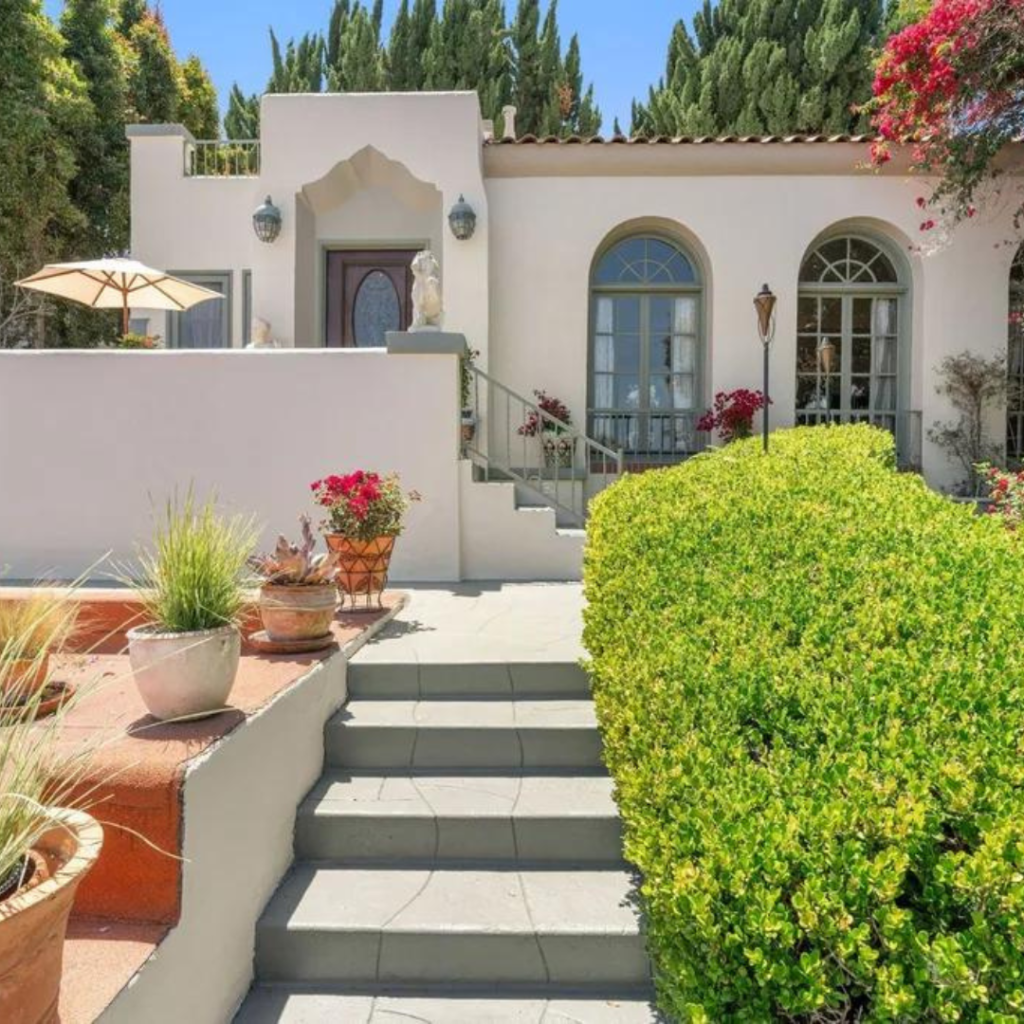
Asset Paradigm: 1926 Spanish-Mediterranean Revival Detached Villa & Development Core
Underwritten Valuation Framework: $1,250,000 to $1,350,000 USD (Zoned Multi-Unit Infill)
PRE-PURCHASE PROPERTY SPECIFICATION INDEX
================================================================================
PROPERTY ASSET MATRIX
================================================================================
Design Origin................. 1926 Spanish-Mediterranean Revival Masterpiece
Livable Footprint Space....... 2,171 Gross Square Feet (Two-Level Footprint)
Land Allocation Area.......... 7,497 Square Foot R2 Parcel Lot
Zoning Designation............ LARD2 (Los Angeles Residential Density: Low Medium)
Primary Spatial Map........... 2 Master Suites | Dome Great Room | Chef's Galley
Mechanical & System Upgrades.. Copper Plumbing Core, Central Air, Wolf Dual-Oven
Outlook View Corridor......... Vincent Thomas Bridge, Harbor Basin, Dana Point Horizon
================================================================================
The coastal luxury market within the historic San Pedro corridor of Los Angeles operates on an asset-pricing model driven by elevated harbor orientations, micro-market scarcity, and underlying municipal zoning capacity. When an authentic 1926 Spanish Revival residence at 1217 South Leland Street enters the transaction pipeline carrying an entry asset valuation framework crossing the $1,250,000 USD line, consumer-facing brokerage platforms immediately activate an emotional, lifestyle-centric sales narrative. They deploy enthusiastic marketing prose detailing salt-breezed terraces, dramatic dome-ceiling great rooms, and private park-like gardens, inviting buyers to view a highly complex, historical land parcel as a simple, passive single-family getaway.
This institutional risk assessment and financial underwriting report completely strips away that lifestyle marketing veneer. This property is explicitly not a simple character cottage; it is a late-stage centenary building envelope positioned on an active LARD2 urban infill lot. By evaluating this property through the unvarnished mechanics of Los Angeles density multipliers, century-old unreinforced masonry/stucco degradation, maritime weather deck exposure, and alternative asset opportunity costs, this audit establishes the real-world operational liabilities hidden behind the ocean-view panoramas of South Leland Street.
SECTION 1: THE LARD2 ZONING POTENTIAL VS. STRATEGIC CAPITAL DEPLOYMENT
The primary real estate value driver featured in the property’s asset profile is its LARD2 (Los Angeles Residential Density) zoning framework classification. Consumer-focused marketing collateral packages this designation as an immediate pathway to building wealth, telling the buyer they can effortlessly construct multiple additional income-producing rental units or build a secondary multi-family legacy structure right inside the 7,497 square foot yard.
From a strict municipal land-use code and structural investment standpoint, activating a development project inside the city of Los Angeles requires navigating high-friction regulatory and civil engineering costs:
                  [ Proposed Multi-Unit LARD2 Infill Expansion ]
                                         │
               (Los Angeles Department of Building and Safety - LADBS)
                                         │
         ┌───────────────────────────────┴───────────────────────────────┐
         ▼                                                               ▼
[ Pure Mathematical Density Caps ]                        [ Mandatory On-Site Parking Constraints ]
LARD2 codes limit development pacing to one unit per     LADBS requires dedicated covered or garage bays
2,000 sq ft of lot area; maximum 3 units total.          for every added unit, limiting green footprints.
The Prohibitive Density-to-Lot Area Cap: The LARD2 zone does not grant infinite building autonomy. The municipal code dictates that development density cannot exceed one dwelling unit per 2,000 square feet of total lot area. On a 7,497 square foot parcel, the absolute legal capacity of this land is capped at a maximum of three units total. Because the original 1926 primary structure already occupies a significant portion of the lot footprint, constructing two additional attached or detached units requires tight setback tolerances and expensive architectural designs.
The Infill Infrastructure and Utility Surcharge: Adding units to an existing centenary residential lot triggers modern LADBS infrastructure updates. You cannot simply tie new units into the original utility links. You are legally required to upgrade the main electrical panel to handle higher amp loads, construct separate gas links, and verify the main street-facing sewer connection capacity. These structural requirements can instantly diminish the projected profit margins of a low-overhead development strategy.
SECTION 2: THE 1926 MASONRY & STUCCO INTEGRITY MATRIX: CENTENARY BUILDING CORROSION
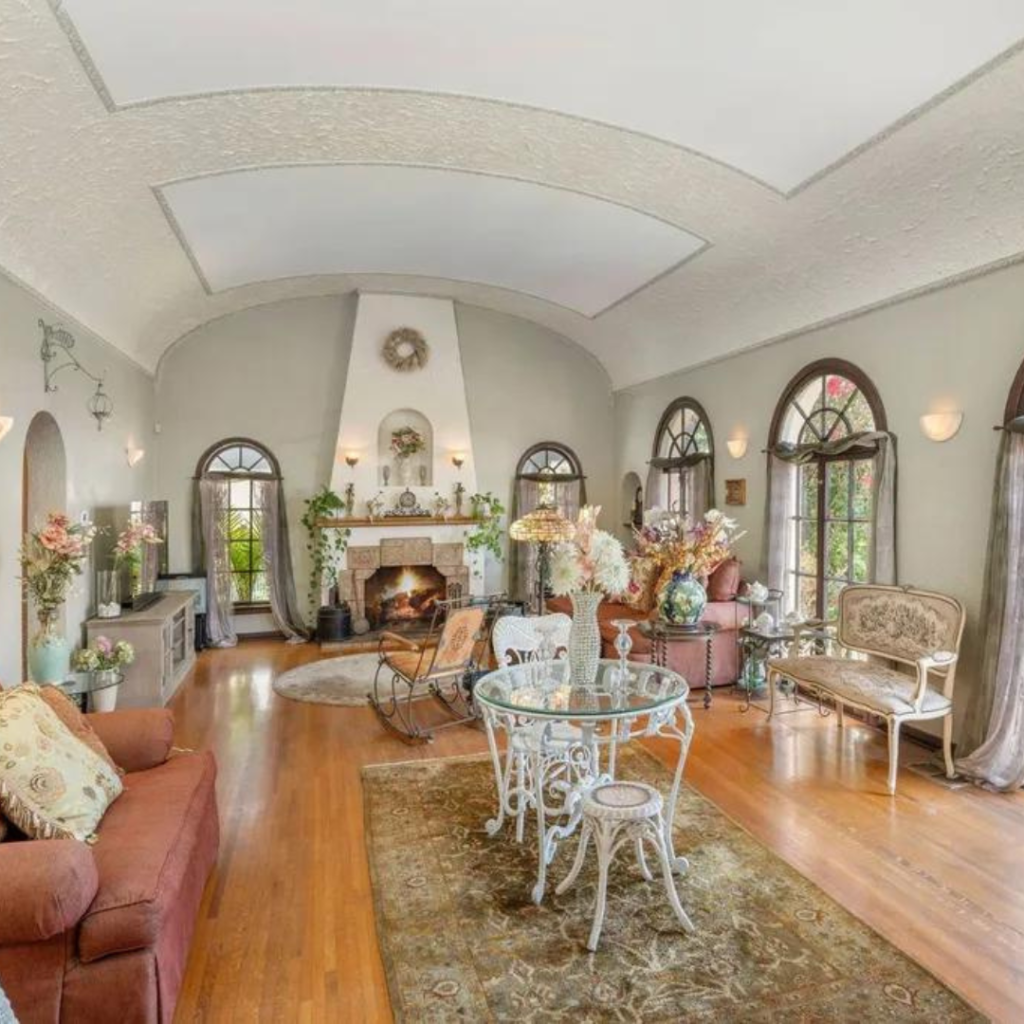
The promotional brochure highlights the property’s “timeless charm,” pointing to the grand formal foyer, the high dome-like ceilings in the central living room, and the classic multi-light architectural French windows. This historic character is presented as a turnkey asset that preserves the romanticism of early 20th-century Southern California architecture.
In the lexicon of building forensics, an authentic 1926 Spanish Revival stucco framework faces significant, late-stage material degradation vectors that require continuous technical oversight:
[ Frontline Maritime Atmosphere ] ──► [ Porous Exterior Stucco Failures ] ──► [ Hairline Tracking Fissures ]
                                                                                               │
[ Destructive Interior Dry Rot ] ◄── [ Moisture Infiltrates Timber Framework ] ◄── [ Microscopic Moisture Ingress ]
The Risk of Porous Exterior Stucco Failure: Original 1920s Spanish homes utilize a multi-layer exterior Portland cement stucco over wire mesh or timber lath. Exposed to coastal maritime air streams and dense morning fog banks moving up the San Pedro slopes, this porous exterior shell acts as a sponge for ambient moisture. Over a 100-year timeline, building movement creates hairline tracking cracks. If these fissures are not sealed with high-performance elastomeric coatings, salt-laden moisture will infiltrate the framing cavities, leading to hidden wood rot and damaging the interior plaster wall finishes.
The Traditional French Window Leakage Abyss: The great room features three historic French windows designed to swing open to capture ocean breezes. While this feature looks stunning in photography, older wood-framed casement glass assemblies lack modern thermal breaking gaskets and industrial weep-channel drainage systems. During heavy seasonal Pacific winter rainstorms, wind-driven water can pool along the horizontal wooden sills, seeping past the framing lines to damage the surrounding drywall and the home’s original hardwood floors.
SECTION 3: THE THREE-TIER OCEAN-VIEW TERRACE TRAP: HYDROSTATIC BALCONY RISK
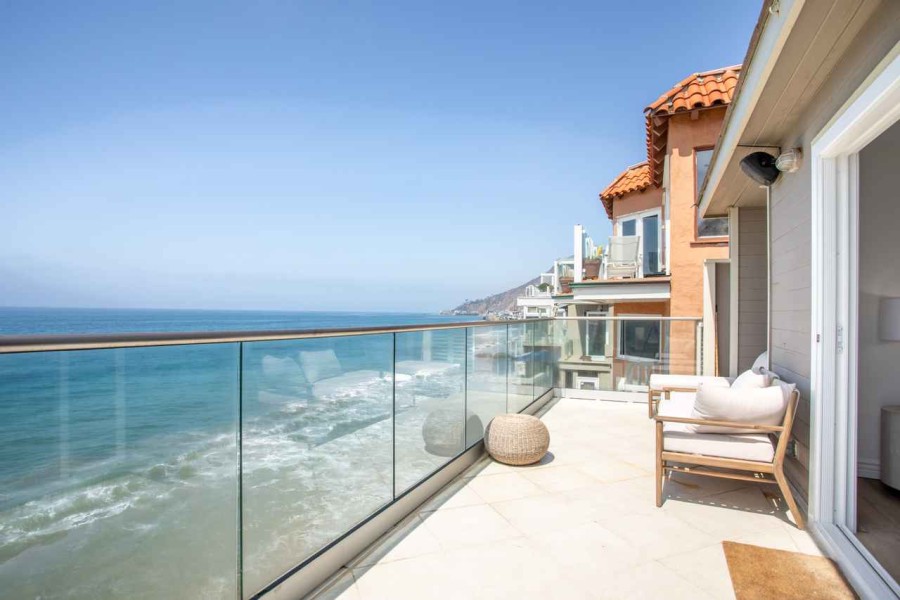
To capitalize on the panoramic view corridors framing the Vincent Thomas Bridge, the local harbor shipping lanes, and the distant Dana Point Peninsula, the home features a vertical multi-deck strategy, incorporating three independent open-air viewing terraces distributed across the lower salons and the second-floor primary suite wing.
While stepping out onto a private terrace to enjoy the sea air represents an elite lifestyle aesthetic, managing multiple horizontal outdoor surfaces exposed to coastal conditions introduces notable structural liabilities:
+-----------------------------------+-----------------------------------+
| Expected Luxury Terrace Sanctuary | Real-World Coastal Weather Fact   |
+-----------------------------------+-----------------------------------+
| Effortless morning coffee breaks  | Continuous exposure to salt-air   |
| over panoramic harbor views and   | mist and UV radiation breaks down  |
| refreshing maritime breezes.       | sub-surface waterproofing sheets.  |
+-----------------------------------+-----------------------------------+
The Degradation of Horizontal Waterproofing Membranes: Horizontal open-air terraces positioned above interior living quarters or finished garden spaces rely entirely on hidden, sub-surface elastomeric bitumen or liquid-applied waterproofing membranes. Because this home features three separate deck interfaces, it presents multiple points of vulnerability to weathering. High UV exposure cooks the surface layers during the summer, while winter rain tracking stresses the drainage channels. If a single membrane fails, water will migrate down into the structural joist joins, creating silent timber rot and leading to drywall water damage in the spaces below.
The Drainage Deficit Liability: Older architectural viewing decks often utilize simple, gravity-fed edge drains or small scupper openings to shed rain. If leaves from the property’s mature backyard trees or airborne urban debris block these drainage tracks during a sudden storm, standing water will rapidly pool against the thresholds of your custom French doors, forcing its way past the weather stripping and into the home.
SECTION 4: DECENTRALIZED INFRASTRUCTURE WARRANTIES VS. SUBSURFACE LIFECYCLES
The listing copy provides reassurance by noting that the home has undergone a series of infrastructure updates, including full copper plumbing, a modern central air conditioning network, a upgraded gas line, and a new main sewer drain—all featuring active warranties that pass directly to the new owner for peace of mind.
While having documented copper plumbing lines and updated main lines significantly reduces your immediate infrastructure exposure, a professional investor must evaluate the status of the un-renovated systems:
[ Centenary 1926 Baseline Asset ] ──► [ Modern Copper Plumbing / Core Upgrades ] ──► System Balance Achieved
                                                                                                 │
[ Latent Utility Risks Remain ] ◄── [ Unverified Structural Sub-Slab Utilities ] ◄── [ Aged Secondary Branch Pipes ]
The Un-Renovated Secondary Infrastructure Void: While the primary water lines use modern copper and the main exterior sewer link has been renewed, the secondary interior branch waste lines inside the walls and beneath the floor slabs may still rely on original 1920s cast-iron or galvanized plumbing components. Over decades of continuous usage, these secondary lines face internal rust scaling and calcification. This can result in localized drainage drops and hidden water velocity drops, forcing you to fund targeted wall clean-outs to protect your updated bathrooms.
The Limits of Manufacturer Warranties: Real estate marketing often overstates the security of product warranties. Most standard residential construction warranties cover only specific material failures, completely excluding the high labor costs required to cut through historic lath-and-plaster walls or dig up mature backyard paths to access a failed component, leaving the owner to absorb the logistical expenses.
SECTION 5: LOS ANGELES COUNTY FISCAL FRICTION: PROP 13 TAX CARRYING COSTS
The financial analysis of deploying twelve figures of private capital into San Pedro luxury real estate requires navigating an aggressive, structured regulatory taxation framework engineered by California authorities to collect recurring revenue from property assets.
Upon entry, and throughout your holding window, your capital is subject to non-refundable fiscal drains that lower your overall portfolio velocity:
[ Your Liquid Capital Allocation: ~$1,245,000 USD ]
                                 │
         (California Proposition 13 Real Estate Assessment)
                                 │
[ Mandatory Annual Property Tax: ~$14,000+ USD Recurring Cash Drain ]
The Prop 13 Property Tax Realignment: Under California’s landmark Proposition 13 framework, base real estate property taxes are reassessed immediately upon a transfer of ownership at roughly 1.1% to 1.25% of the newly established transaction price. For a San Pedro asset acquisition clearing at a market value of $1,245,000, your annual recurring property tax bill scales to a fixed invoice exceeding $13,700 to $15,500 every calendar year. This represents a permanent holding cost that persists completely independent of your personal portfolio performance or seasonal occupancy choices.
Measure ULA Threshold Safety Exemption: Because the transaction value of this individual single-family lot sits well below the $5,000,000 capital line, the acquisition completely escapes the punitive 4.0% to 5.5% Los Angeles “Measure ULA” transfer tax that targets upper-tier mansion assets. This structural exemption preserves your entry liquidity and makes mid-market properties an efficient choice for capital deployment compared to West LA premium estates.
SECTION 6: COMPREHENSIVE STRUCTURAL MATRIX
Marketing Claims vs. Institutional Valuation Realities
| The Property Feature | The Broker’s Glamorous Presentation | The Real-World Operational & Financial Reality |
| $1,245,000 Sold Price | An affordable luxury entry point indicating success along the South Bay’s coastal fringe. | Capital lockup within a highly localized, specialized coastal community property sub-market. |
| LARD2 Lot Zoning Status | Unlocked flexibility to construct multiple units, generating passive income or a legacy. | LADBS density limits cap total capacity at 3 units; requires expensive parking and utility upgrades. |
| 1926 Spanish Dome Great Room | Soaring architectural volumes framing magnificent harbor views and grand entry charm. | High structural liability regarding porous historic stucco hydration and French window draft leaks. |
| Three Separate Open Decks | Pristine outdoor panoramic platforms designed for sunset cocktails and coastal air flow. | High engineering risk regarding sub-surface membrane degradation and wood-to-stone water ingress. |
| Wolf Cooking & Dual Fridges | A premium chef’s gallery layout optimized for high-end home culinary hosting. | Substantial electrical load center that demands continuous maintenance of ventilation extraction hoods. |
| 2-Bedroom En-Suite Blueprint | Two oversized private bedrooms providing a cozy, park-like family haven. | Significant capital allocated to dead space that requires continuous heating and climate management. |
SECTION 7: THE SUB-MARKET LIQUIDITY HORIZON OF SAN PEDRO INFILL LOTS
While the ultra-luxury estate market across Bel-Air or Beverly Hills experiences long trading horizons and high asset illiquidity, the mid-tier character home segment inside San Pedro operates under an entirely different economic velocity. Because these coastal assets sit directly adjacent to the massive commercial engine of the Port of Los Angeles and provide immediate freeway connectivity to the aerospace and tech corridors of El Segundo and Long Beach, they map to a stable, highly active professional buyer pool.
▲ [ $2.5M+ Elite Coastal Stratum: Palos Verdes Margins ] ──► Buyer Pool: International Wealth Allocators (Moderate Velocity)
■ [ $1M - $1.5M Core Stratum: 1217 S Leland Street ] ──► Buyer Pool: Local Professionals, Developers, & Historic Home Adherents (High Velocity)
● [ Under $700K Mass-Market Stratum: Central San Pedro Condos ] ──► Buyer Pool: First-Time Local Buyers & Retail Investors (Rapid Velocity Trading)
If your primary business operations or global equity portfolios encounter an unexpected requirement for rapid liquidity, a character home with an expansive LARD2 lot at 1217 S Leland Street can be converted back into liquid cash far more efficiently than an un-leveraged desert compound or an isolated mountain retreat. The absolute pool of active buyers possessing the leverage or cash to finalize a transaction at this tier—including local developers looking for infill lots and young professionals seeking historic architecture with ocean views—is consistently active.
However, because you are trading within a highly specialized geographic pocket where the property’s proximity to the Vincent Thomas Bridge introduces localized industrial traffic noise profiles, your asset lacks a pricing monopoly. To execute an exit within a clean 60-day window, your marketing strategy must accurately price the home against recent local comps, preventing you from extracting massive emotional premiums upon resale.
SECTION 8: THE STAGGERING FINANCIAL OPPORTUNITY COST OF HELD CAPITAL
The final financial reality that any sophisticated wealth allocator must analyze before deploying capital into this San Pedro property is the profound opportunity cost of capital. When you lock away $1,245,000 of liquid wealth into a primary residence or an underutilized development parcel, you are permanently removing that capital from the global financial landscape where it could be working to produce highly secure, compounding yields.
Let us run an objective, conservative financial comparison of how that exact block of wealth behaves over a standard five-year investment holding window when deployed into active, liquid market instruments versus sitting inside a dead luxury country asset:
+-----------------------------------+-----------------------------------+
| $1.245M Capital Sunk in Property  | $1.245M Capital Deployed in Market|
+-----------------------------------+-----------------------------------+
| Generates $0 in passive cash flow.| At a conservative 6% compounding  |
| Accumulates massive annual bills  | annual yield, generates over      |
| for property taxes, HVAC, & stucco.| $74,700 in cash *every year*.     |
+-----------------------------------+-----------------------------------+
Over a five-year investment window, a professional, diversified corporate portfolio worth $1,245,000 will effortlessly produce over three hundred and seventy-three thousand dollars in clean, highly liquid compounding profit while maintaining absolute capital mobility. Conversely, the San Pedro character villa will have actively drained tens of thousands of additional dollars out of your pocket to cover California real estate property taxes, structural stucco maintenance, individual electrical heating utility bills, and potential utility upgrades, while its final secondary market resale value remains completely dependent on the unpredictable luxury property cycles of Los Angeles. From a standpoint of raw wealth optimization and asset protection, spending this scale of money on a single home is an inefficient use of capital.
INSTITUTIONAL PORTFOLIO VERDICT & ACTIONABLE DIRECTIVES
Primary Disqualification Criteria
The Low-Maintenance Hands-Off Investor: If your property management philosophy has zero tolerance for monitoring century-old stucco frames, managing high-altitude terrace membrane seals, and dealing with historic wood window alignments.
The Large-Scale High-Density Developer: If your investment model requires building extensive multi-family complexes (4 to 10 units) on a single land parcel without facing tight LARD2 2,000 square foot density cap thresholds.
The High-Velocity Capital Allocator: If your financial architecture relies on immediate capital velocity and the capacity to exit fixed property positions within a single fiscal quarter.
Justifiable Investment Parameters
The Historic Architecture Enthusiast: Who derives immense personal utility from holding a meticulously maintained piece of 1920s Spanish Revival design and possesses the available liquidity to support ongoing preservation work.
The Infill Development Allocator: Who understands how to build within the boundaries of LARD2 codes, intending to construct one or two high-yield secondary units to maximize the land value while holding the primary structure.
The Strategic South Bay Commuter: If you require a secure residential footprint with stable market value and immediate access to the shipping, logistics, and tech hubs of Long Beach and West LA, utilizing the asset as a long-term family foundation.
Pre-Acquisition Mandate: Before Committing Capital to REM
Prior to initiating formal contract reviews, scheduling private site inspections, or outlining capital settlement frameworks for 1217 S Leland Street, you must protect your global capital by executing a rigorous independent audit:
Stucco Hydration and Wall Frame Core Testing: Deploy independent building envelope specialists to execute moisture testing across the exterior stucco facades, checking for hidden water-ingress tracks around the great room’s French window perimeters.
LADBS Zoning Title and Setback Verification: Retain a certified California land-use surveyor to map the exact property boundaries, establishing the legal setback limitations and parking space configurations required under LARD2 codes for any added units.
Secondary Sub-Slab Plumbing Diagnostics: Request a comprehensive sewer camera scope of all secondary waste lines and branch pipes routing beneath the 1926 foundation slab to verify the remaining life expectancy of the sub-surface infrastructure.
To request the complete architectural layout blueprints, to review official building zoning compliance data summaries, or to arrange an independent private tour of the estate grounds, contact REM. Ensure you approach the negotiation table with a completely clear, realistic perspective on the long-term operational and financial realities of ultra-luxury asset ownership.
Vertical Infrastructure Reference
To visualize how custom architectural frames, historic building updates, and premium structural materials are managed within elite property portfolios, review this comprehensive structural walkthrough of an architectural landmark compound. This showcase highlights the high-value physical infrastructure that modern property managers must actively secure, maintain, and monitor to protect long-term capital investments.

Moses Oyong is a Real Estate Growth Marketing Manager and PropTech specialist with over a decade of closing residential and commercial deals worth over 200 million across Nigeria and international markets. Known for engineering AI-driven workflows that delivered a 69% uplift in sales targets and cut lead response times by 85%, Moses bridges the gap between high-performance marketing, land law, and technology to help investors, developers, and first-time buyers make confident, informed property decisions in an increasingly digital world.