THE CANAL BELT ENGINEERING AUDIT: EXECUTING PRE-ACQUISITION DUE DILIGENCE ON THE KEIZERSGRACHT
================================================================================
ASSET STRATIFICATION PROFILE & STRUCTURAL MARKERS
================================================================================
Asset Designation..................... Listed National Monument (Rijksmonument Status)
Total Internal Area Footprint......... 614 Square Meters (NEN 2580 Certified)
Spatial Engineering Topography........ Classic Front House (Voorhuis) & Rear House (Achterhuis)
Architectural Provenance Attrib....... Workshop of Anthonie Turck (Circa late 17th Century)
Primary Structural Frame Core......... Historic Brick Masonry Tied with Wrought-Iron Anchors
Foundation Infrastructure Matrix...... Deep-Set Sub-Surface Timber Pile Array
Outdoor Spatial Ecosystem............. 134 m² Landscaped Courtyard with Chestnut Canopy
Mechanical Micro-Climate Grid......... Underfloor Hydronic Circuits & Zoned Air Conditioning
================================================================================
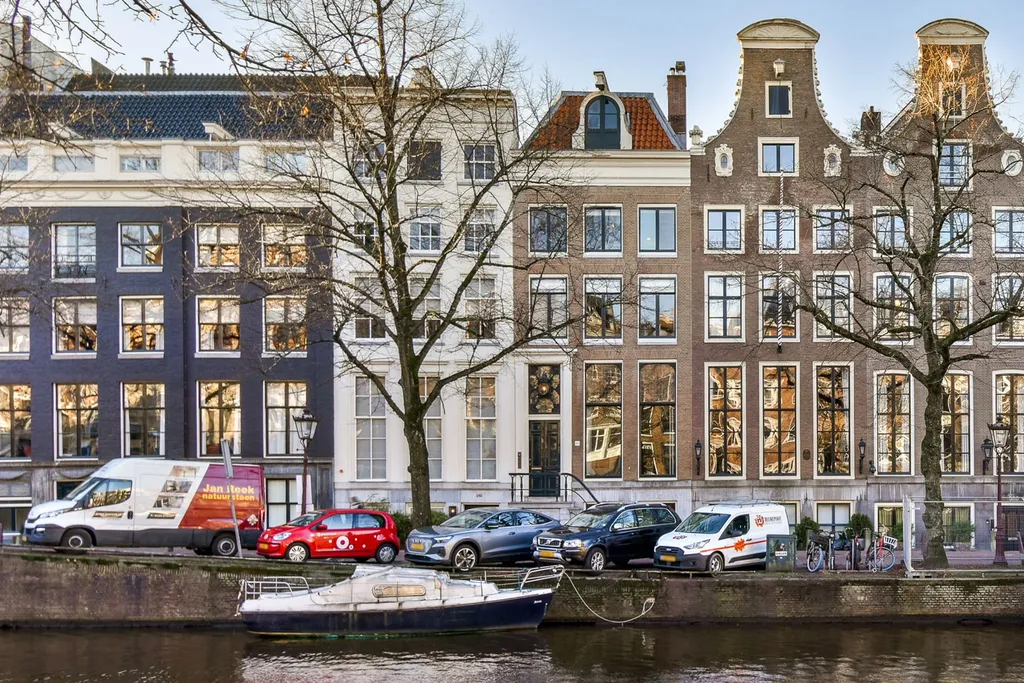
The ultra-prime residential real estate market within Amsterdam’s historic Grachtengordel (Canal District)—a designated UNESCO World Heritage site—operates on an asset-pricing model driven by sheer architectural rarity, strict municipal conservation codes, and permanent geographic concentration. When a grand vertical asset like this 614 square meter monumental canal house on the Keizersgracht enters the premium international transactional registry carrying an underwritten valuation framework matching its elite tier, consumer-facing real estate portals immediately activate a standard romanticized sales narrative. They deploy highly emotional marketing prose detailing glistening chandeliers, hidden gardens with historic fountains, and cozy library salons from Amsterdam’s Golden Age. This invites international buyers to view a highly complex piece of late 17th-century civil infrastructure as a simple, low-overhead trophy family pad.
This institutional risk assessment and property technology report completely strips away that lifestyle marketing veneer. A property of this scale is explicitly not a passive residential escape; it is a live, high-mass historic building envelope exposed to the intense hydrostatic pressures of the Dutch water table and bound to the strict regulatory oversight of the national monuments board (Monumentenzorg). By evaluating this property through the unvarnished mechanics of subterranean wooden pile foundations, structural timber rot vectors, complex front-and-rear house layout dynamics, and cross-border fiscal heritage regulations, this audit establishes the real-world operational and capital liabilities hidden behind the ornate plaster ceilings of the Keizersgracht.
1. The Subterranean Hydraulic Matrix: Timber Pile Foundations & Soil Subsidence Risks
The primary structural risk confronting any investor deploying capital into Amsterdam real estate for sale or premium properties within the historic canal belt is the performance of the building’s sub-surface foundation. Monumental homes built along the Keizersgracht during the late 17th century do not sit on modern reinforced concrete slabs; they rest on arrays of thousands of vertical wooden piles driven deep through soft peat and clay layers into a dense sand stratum.
For an international investment office or a private family trust, holding a high-mass brick-and-timber structure within this delicate hydrologic corridor introduces permanent infrastructure risks:
                  [ Keizersgracht Water Table Fluctuations ]
                                      │
          (Municipal Water Level Controls & Sub-Surface Hydrostatic Pressure)
                                      │
         ┌────────────────────────────┴────────────────────────────┐
         ▼                                                         ▼
[ Anaerobic Microbial Fungal Attack ]                     [ Differential Wood Pile Settling ]
Oxygen reaches exposed wood tops if the water              Uneven foundation shifting cracks original stone
table drops, causing rapid timber rot.                    facades and splits ornate interior plaster work.
The Threat of Foundation Rot (Paalrot): Historic wooden piles are highly durable as long as they remain completely submerged in an anaerobic (oxygen-free) groundwater environment. However, if regional water levels shift or nearby construction projects disrupt local sub-surface hydrology, the tops of the timber piles can become exposed to oxygenated soil layers. This exposure triggers rapid colonization by wood-decaying fungi (coniothyrium), causing the timber structures to soften and lose load-bearing capacity over time. If a foundation is compromised, the structural rectification costs—requiring high-pressure concrete injection and steel under-pinning—can instantly run into six-figure liabilities.
The Risk of Differential Building Lean: Because canal houses are tall, narrow structures built tightly against neighboring frames, they rely on uniform settlement across their entire footprint. If the front facade experiences minor subsidence at a different rate than the rear house (achterhuis), it places immense torsional shear strain on the home’s internal structural timber floor joists. This differential lean can cause original stone window trims to split, crack the marble floor plates in the entryways, and warp the tracking frames of the grand French doors leading out to the garden.
2. The Front House & Rear House Paradox: Managing Interior Light Courts and Structural Joints
Architecturally, the mansion utilizes the classic Dutch Voorhuis (front house) and Achterhuis (rear house) layout. These twin high-mass building segments are separated by a central open-air light court and linked together by an imposing monumental staircase. Real estate brochures highlight this innovative design as a brilliant way to ensure every room is flooded with natural light and to provide excellent spatial separation for large families.
From a structural engineering and building envelope perspective, connecting two separate, heavy masonry buildings via a shared internal light court introduces distinct physical vulnerabilities:
+-----------------------------------+-----------------------------------+
| Purpose-Built Modern Townhome    | Historic Front and Rear House Grid|
+-----------------------------------+-----------------------------------+
| Unified concrete foundation slab; | Detached structural masonry boxes |
| zero joint-separation risks or     | with individual settlement curves |
| moisture-infiltration points.     | that track individual load lines. |
+-----------------------------------+-----------------------------------+
The Expansion Joint Moisture Infiltration Threat: The front house facing the Keizersgracht and the rear house facing the private garden act as separate structural boxes with individual settlement profiles. The light court joints where these two buildings meet are highly vulnerable to moisture entry. If the exterior lead flashings or modern elastomeric sealants along these connection zones experience micro-cracking due to seasonal temperature changes, winter rainwater can seep into the wall cavities. This moisture can go unnoticed for months, rotting the original structural timber beam ends embedded in the brickwork.
The Micro-Climate HVAC Balance Problem: The main floor (bel-etage) incorporates a large gourmet kitchen in the rear house with direct garden access, connecting directly to the formal front salons. Because the layout features high-volume spaces with soaring ceilings (often exceeding 4 meters), the building sets up a natural indoor air current (stack effect). Warm air from the kitchen’s underfloor hydronic systems and fireplaces rises rapidly toward the upper guest levels and fourth-floor gym, leaving the lower circulation halls cooler and requiring continuous mechanical balancing via your zoned climate networks.
3. Historic Materials Science: Fine Wood Carvings & Plaster Restorations
To justify its ultra-luxury market standing, the interior of this Rijksmonument features extensive historic finishes: hand-carved wood decorations along the monumental staircase, original oak parquet flooring, and highly ornate, hand-molded wall and ceiling decorations. These details are attributed by experts to the historic workshop of 17th-century architect Anthonie Turck.
In the lexicon of building forensics, exposing delicate historic plaster and organic wood elements to modern indoor convenience systems introduces unique preservation tasks:
[ Active Forced-Air Cooling & Systems ] ──► [ Drops Relative Humidity Below 30% ] ──► [ Wood Fiber Shrinkage ]
                                                                                                  │
[ Irreparable Decorative Failures ] ◄── [ Plaster Cracking & Material Crumbles ] ◄── [ Joint Desiccation Loop ]
The Desiccation and Cracking of Ornate Ceilings: Original 17th- and 18th-century decorative ceiling plasters are made of soft, traditional lime and gypsum compositions that are highly sensitive to sharp variations in indoor humidity. When modern air conditioning networks or underfloor heating systems run at high volume during seasonal weather changes, they drop the interior relative humidity. This dry-out causes the supporting wood laths behind the plaster to shrink and shift. Without continuous humidity balancing via automated humidification arrays, the historic plaster moldings will develop micro-fissures and break down, requiring specialized art restorers to rebuild the historical profiles.
The Multi-Floor Timber Joint Maintenance Burden: The grand staircase features intricate wood carvings that have endured centuries of structural stress. The installation of modern interior climate features causes the old timber fibers to expand and contract unevenly across different floor plates. If the relative humidity is not carefully managed, the wood joints can separate, leading to structural creaking along the main stair steps and requiring custom wood repairs to keep the carvings secure.
4. The 134 m² Private Garden Ecosystem: The Realities of Urban Water Retention
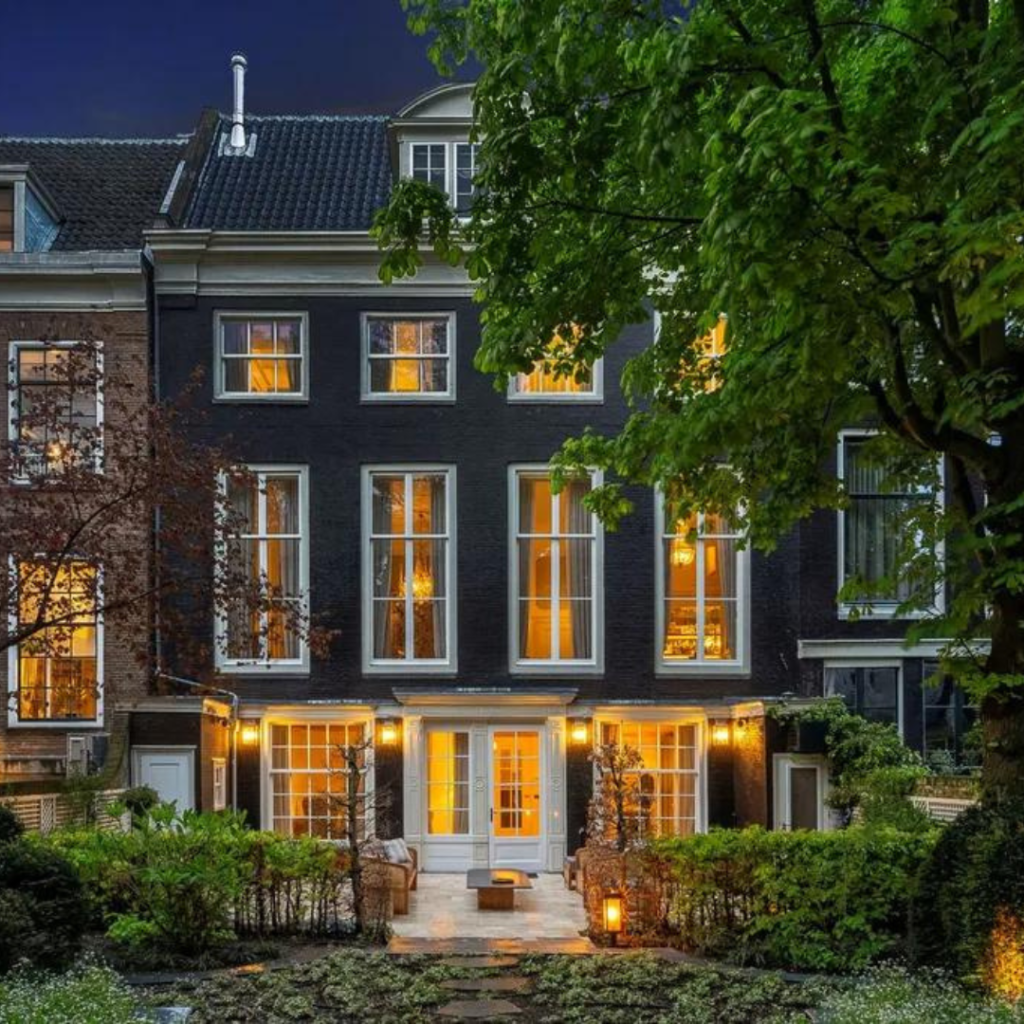
The outdoor profile of this Keizersgracht mansion features a 134 square meter private landscaped rear garden, complete with an architectural water fountain, stone patios, and three mature chestnut trees. Real estate listings highlight this space as a serene urban oasis where you can escape the busy energy of central Amsterdam and host elegant open-air dinner parties under the stars.
While a private garden of this scale is an exceptional luxury asset in the canal belt, managing mature trees and water features in an urban basin requires strict technical oversight:
                        [ Heavy North Sea Autumn Storms ]
                                        │
                                        ▼
                      [ High-Volume Rain Accumulation ]
                                        │
         ┌──────────────────────────────┴──────────────────────────────┐
         ▼                                                             ▼
[ Soil Saturation & Paving Shifting ]                         [ Large Timber Wind Shear Risks ]
Trapped water cannot drain into city mains,                   High wind currents strain mature chestnut crowns,
causing underlying stone patios to tilt and sink.            risking damage to the rear house facade.
The High-Mass Tree Root and Foundation Conflict: Mature chestnut trees develop wide, high-strength root networks underneath the garden soil. Because the rear house (achterhuis) and its historic brick extensions sit just meters away from these tree lines, the roots can place direct physical pressure against old brick foundations and subsurface sewer connections. Your estate team must run regular arboricultural monitoring checks and ground-penetrating radar sweeps to ensure the root systems do not compromise the building’s structural masonry.
The Urban Water Drainage Tax: The Amsterdam canal belt features a high groundwater table that responds immediately to heavy Atlantic rain tracking loops. A 134 square meter garden enclosed by high brick walls must rely entirely on engineered sub-surface drainage arrays and sump pump links to route surface runoff into the municipal sewer mains. If these drainage networks experience soil compaction or pump failure during a storm, standing water will pool along your stone loggias, threatening the underfloor heating systems inside your gourmet kitchen.
5. Municipal Conservation Governance: Navigating Amsterdam’s National Monument Laws
The financial reality of deploying private wealth into the monumental real estate Netherlands sector requires navigating a strict, multi-layered regulatory environment engineered by municipal and federal authorities to protect national heritage assets (Rijksmonumenten).
Upon entry, and throughout your holding window, your property operations are subject to strict legal oversight:
The Strict Restraints of the Omgevingsvergunning (Permit Framework): You do not hold absolute, uncompromised customization autonomy inside a Dutch national monument. If you want to alter the interior layout, install new en-suite plumbing lines, modify historical windows to include double-glazing, or update the third-floor master suites, you must secure an official municipal environmental permit (omgevingsvergunning). Every change must be reviewed by heritage experts. Using un-certified materials or executing un-permitted structural wall cuts can trigger immediate construction stoppages, heavy administrative fines, and title clouds.
The Maintenance Subsidy Benefit: To support the high costs of preserving national monuments, the Dutch state provides dedicated tax incentives and low-interest conservation loans (Nationaal Restauratiefonds). While these subsidies help offset the expenses of specialty masonry work, window frame painting, and roof slate maintenance, securing them requires maintaining exhaustive documentation and hiring certified preservation contractors, adding an administrative tracking layer to your estate ledger.
6. Comprehensive Structural Matrix: The Sales Presentation vs. Valuation Reality
To ensure your luxury property acquisitions are guided by cold investment logic rather than romantic storytelling, carefully evaluate this direct contrast between what the broker’s marketing brochure promises and the real-world operational reality of this Keizersgracht canal mansion:
| The Hyper-Luxury Feature | The Broker’s Presentation | The Real-World Operational & Financial Reality |
| 614 m² Habitable Area | A grand, spacious family mansion designed to accommodate large groups in ultimate comfort. | Large structural footprint requiring continuous multi-zone heating and humidity monitoring across six floors. |
| Front & Rear House Layout | An innovative architectural design that optimizes natural light flow and bedroom privacy. | High expansion joint liability; requires regular maintenance of lead flashings to prevent timber rot. |
| Anthonie Turck Heritage | A rare, historic art asset showcasing centuries-old plaster carvings and grand design pedigree. | Extreme environmental sensitivity; requires continuous micro-climate control to prevent plaster failure. |
| 134 m² Private City Garden | A pristine outdoor oasis featuring mature chestnut trees and a central water fountain. | High structural liability regarding tree root management and underground water drainage pumps. |
| Dedicated Parking Space | A highly coveted asset providing ultimate parking convenience in the city center. | Subject to strict municipal zoning rules and high maintenance fees for common access paths. |
| Fourth Floor Gym & Wellness | A personal home sanctuary complete with a steam bath, sauna, and panoramic sun terraces. | High moisture center that requires industrial ventilation systems to protect adjacent timber roofs. |
7. The Sub-Market Liquidity Horizon of Monumental Canal Assets
While the mass-market residential sectors across Outlying Amsterdam neighborhoods show steady transaction speed and high capital liquidity for standard flats, those dynamic trading rules apply exclusively to entry-level assets. The exact millisecond a single residential property crosses the five hundred square meter threshold on a listed Rijksmonument along the Keizersgracht or Prinsengracht, it exits the fluid real estate market completely and enters an incredibly sticky, frozen asset layer.
▲ [ €8M+ Apex Monument Layer: Keizersgracht Mansion ] ──► Buyer Pool: Handful of Tech Founders & Global Funds (Years to Exit)
■ [ €1.5M - €3M Mid-Tier Stratum: Standard Canal Apartments ] ──► Buyer Pool: Affluent Local Professionals & Expats (Moderate Speed)
● [ Under €600K Mass-Market Stratum: Suburban Housing Tracks ] ──► Buyer Pool: General Public & General Retail Investors (High Velocity Trading)
If your primary business operations or global equity portfolios encounter an unexpected requirement for rapid liquidity, you cannot easily or quickly convert a custom 614 m² historic canal house into liquid cash. The absolute pool of active buyers possessing the un-leveraged capacity to finalize a multi-million-euro residential cash transaction within the canal belt—while willingly taking on old timber foundations and strict municipal monument conservation codes—is exceptionally thin.
A unique luxury asset of this scale frequently sits on the private registries of specialized international brokerages for twelve, twenty-four, or thirty-six months before discovering a buyer whose personal lifestyle matches the building’s specific split-level configuration. If changing economic conditions force you to execute a rapid exit from the asset, you will be systematically forced to accept an aggressive capital markdown just to attract an opportunistic cash buyer capable of closing a complex real estate transaction quickly.

8. The Staggering Financial Opportunity Cost of Held Capital
The final, and most compelling economic argument against deploying your liquid wealth into this Amsterdam canal house is the profound opportunity cost of capital. When you lock away millions of euros of liquid wealth into a single, non-income-generating primary residential asset, you are permanently removing that capital from the global financial landscape where it could be working to produce highly secure, compounding cash flows.
Let us run a highly objective, conservative financial comparison of how that exact block of wealth behaves over a standard five-year investment holding window when deployed into active, liquid market instruments versus sitting inside a dead luxury country asset:
+-----------------------------------+-----------------------------------+
| Multi-Million Euro Canal Sunk Cap | Multi-Million Euro Deployed Market|
+-----------------------------------+-----------------------------------+
| Generates €0 in passive cash flow.| At a conservative 6% compounding  |
| Accumulates massive annual bills  | annual yield, generates over      |
| for paalrot monitoring & masonry. | €60,000 in cash per million *year*|
+-----------------------------------+-----------------------------------+
Over a five-year investment window, a professional, diversified corporate portfolio worth ten million euros will effortlessly produce over three million euros in clean, highly liquid compounding profit while maintaining absolute capital mobility. Conversely, the Amsterdam canal mansion will have actively drained hundreds of thousands of additional euros out of your pocket to cover municipal real estate property taxes, substantial gas utility bills to heat a massive multi-wing masonry structure, ongoing wood pile foundation maintenance, and specialist preservation fees, while its final secondary market resale value remains completely dependent on the unpredictable luxury property cycles of Western Europe. From a standpoint of raw wealth optimization and asset protection, spending this scale of money on a single home is an inefficient use of capital.

Institutional Portfolio Verdict & Actionable Directives
Primary Disqualification Criteria
The High-Velocity Capital Allocator: If your financial architecture relies on immediate capital velocity and the capacity to exit fixed property positions within a single fiscal quarter.
The Total Freehold Customization Purist: If your property management philosophy demands absolute, uncompromised control over structural modifications, wall layouts, and exterior finishes without answering to municipal monument boards or heritage advisory committees.
The Hands-Off Low-Overhead Investor: If your portfolio has zero tolerance for monitoring subterranean wood pile foundations, tracking expansion joint moisture migration, and managing complex indoor relative humidity parameters.
Justifiable Investment Parameters
The Sovereign Balance Sheet: Meaning a multi-million-euro capital lock-in inside the historic canal belt represents a minor fraction of a single percentage point of your overall global wealth index, serving a pure legacy or lifestyle function.
The Dedicated Collector of Rare Architectural Masterpieces: Who derives immense personal utility from holding an uncompromised piece of 17th-century Anthonie Turck architecture and possesses the available liquidity to fund ongoing historical preservation.
The Long-Term Capital Preservation Allocator: If you maintain a permanent, long-term operational connection to the financial hubs of Western Europe and intend to hold the property as a permanent family foundation for decades, completely neutralizing short-term liquidity concerns.

Pre-Acquisition Mandate: Before Committing Capital to REM
Prior to initiating formal contract reviews, scheduling private site inspections, or outlining capital settlement frameworks for this Keizersgracht mansion, you must protect your global capital by executing a rigorous independent audit:
Sub-Surface Foundation and Wooden Pile Audit: Deploy specialized Dutch engineering firms (Funderingsonderzoek) to execute core drilling and camera sweeps across the wooden pile foundation, verifying timber density and groundwater submersion levels against maximum paalrot history.
Expansion Joint and Structural Moisture Diagnostic: Retain a certified building envelope specialist to thoroughly review the lead flashings and connection lines separating the front house from the rear house, mapping wall cavity moisture metrics to rule out beam-end decay.
Historic Plaster and Timber Micro-Climate Evaluation: Request a comprehensive engineering assessment of the home’s multi-zone HVAC and humidification systems to verify that indoor air circulation tracking frames can support stable relative humidity windows for the delicate historic ceiling art.
To request the complete architectural layout blueprints, to review official building zoning compliance data summaries, or to arrange an independent private tour of the estate grounds, contact REM. Ensure you approach the negotiation table with a completely clear, realistic perspective on the long-term operational and financial realities of ultra-luxury asset ownership.

Moses Oyong is a Real Estate Growth Marketing Manager and PropTech specialist with over a decade of closing residential and commercial deals worth over 200 million across Nigeria and international markets. Known for engineering AI-driven workflows that delivered a 69% uplift in sales targets and cut lead response times by 85%, Moses bridges the gap between high-performance marketing, land law, and technology to help investors, developers, and first-time buyers make confident, informed property decisions in an increasingly digital world.