Brief: 6 BR $5 Million-Dollar Home In Rotterdam, Netherlands
To the investment committee and the property readers of realestatemoses.com, let us strip away the high-gloss lifestyle copy. When a broker tells you a 706 square meter penthouse perched 150 meters above the Maas River is a canvas for passion, your hand should instinctively move to guard your wallet.
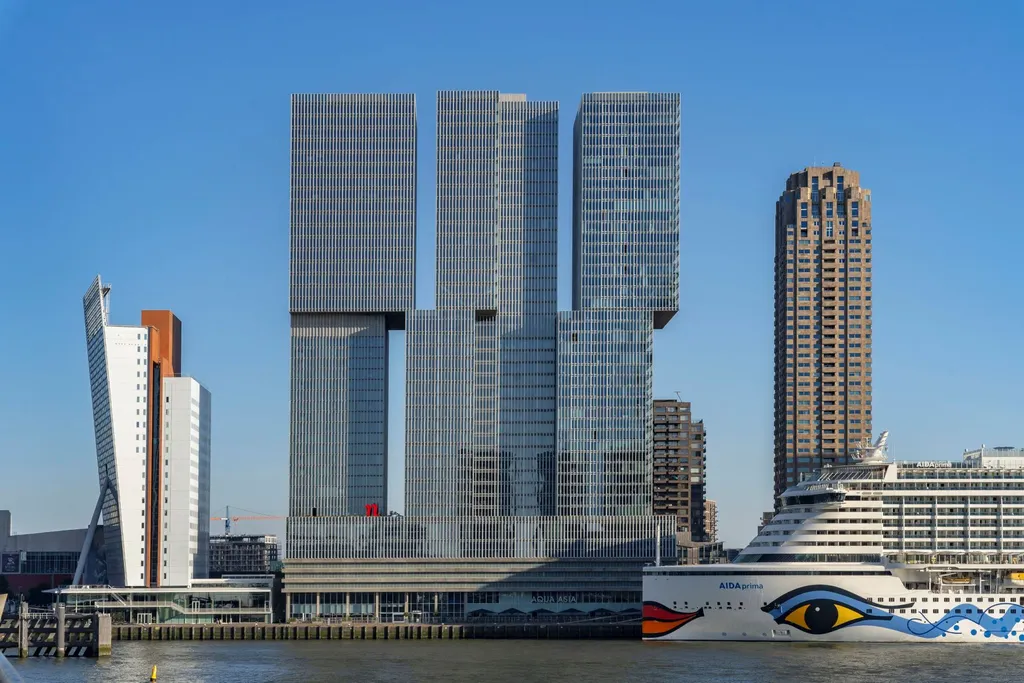
As a principal buyer or advisor with decades inside this asset tier, you do not buy a postcard. You buy a highly complex, multi-plat structural consolidation subject to extreme coastal micro-climates and demanding European high-rise codes. This analysis is an unvarnished technical deconstruction of the conjoined penthouse shell at the absolute apex of Rem Koolhaas’s architectural landmark, De Rotterdam.
================================================================================
PROPERTY CORE MATRIX & OPERATIONAL SPECS
================================================================================
Asset Type............................ Conjoined Multi-Plat High-Rise Penthouse
Acreage/Floor Area Equivalent......... 706 Square Meters (Combined Layout)
Location Coordinates.................. Wilhelminapier Peninsula, Rotterdam, Netherlands
Architectural Lineage................. Office for Metropolitan Architecture (OMA) / Rem Koolhaas
Structural Frame Type................. Post-Tensioned Concrete Towers with Steel Shear Outriggers
Primary Spatial Layout................ 6 Bedrooms, 6.5 Bathrooms, Dual Kitchens, Private Wellness
Key Mechanical Asset Profiles......... Multi-Zone VRF Air Handling, Automated Perimeter Seals
Regulatory Association Regime......... Vereniging van Eigenaars (VvE) Mixed-Use Corporate Plats
================================================================================
The Plinth, the Outriggers, and the Multi-Unit Plat Consolidation
The first thing a seasoned operator analyzes when looking at a 706 square meter floor plate in a contemporary tower is the structural consolidation history. De Rotterdam was not designed with individual, sprawling ranch-style footprints at its apex. This asset is a product of combining three separate independent residential plats originally mapped out by the OMA design team.
Merging these units creates immediate mechanical boundaries that any luxury buyer will inherit:
[ Consolidated Apex Unit Plats ] ──► Dual Concrete Seismic Outriggers ──► Fixed Structural Dividers
                                                                                    │
[ Structural Plumbing Dead Zones ] ◄── Multiple Vertical Wet-Stacks  ◄── Fixed Gravity Drain Grids
When you conjoin three independent structural shells, you do not get a completely wide-open canvas. You inherit three separate vertical gravity drain grids and fixed concrete wet-stacks. High-rise infrastructure dictates that toilet lines, steam exhausts, and greywater pipes can only travel horizontally a few meters before requiring a drop into a main building stack.
Because these vertical stacks are cast directly into the tower’s post-tensioned concrete core, your custom kitchen designs, your whirlpool tubs, and your sauna drain loops are entirely bound to these fixed points. You cannot simply tear down walls and relocate plumbing lines without hitting massive concrete cutting boundaries mandated by the tower’s structural engineers.
Furthermore, this 44th-floor shell directly interfaces with the tower’s steel outrigger stabilization trusses. These structural components absorb the building’s lateral sway under high winds, meaning specific internal partition walls double as non-negotiable structural elements that can never be modified or cut open during custom layouts.
High-Altitude Fenestration Deflection and the Stack Effect Void
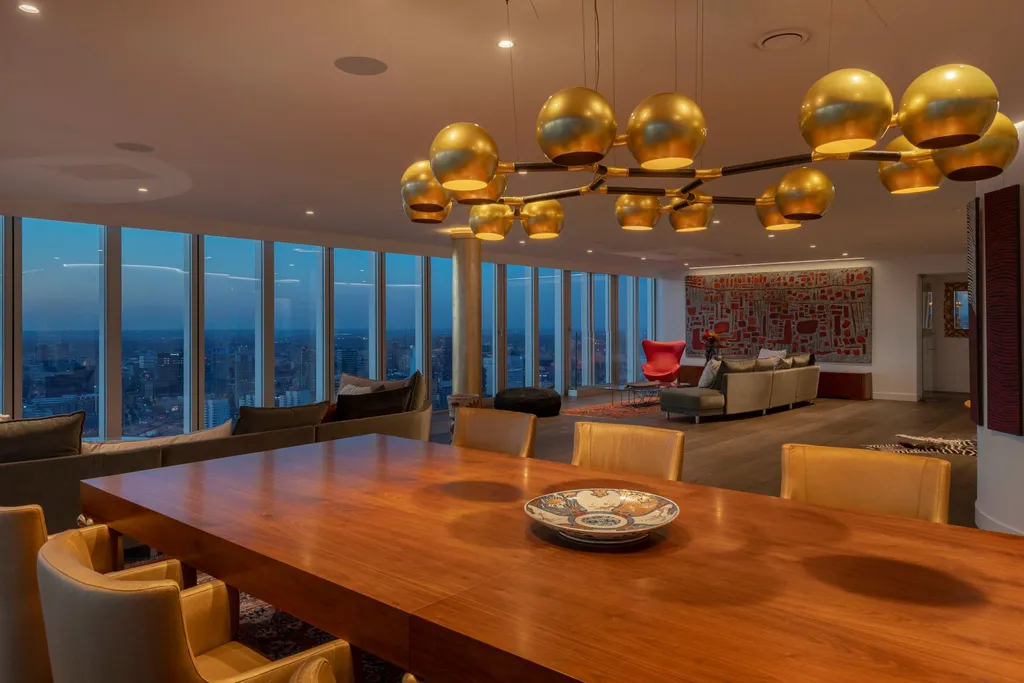
Looking out through a 25-meter expanse of floor-to-ceiling glass at the shimmer of the Maas River and the Erasmus Bridge is an impressive aesthetic statement. However, a high-altitude curtain wall envelope introduces permanent environmental forces that low-rise properties never encounter:
+-----------------------------------+-----------------------------------+
| Low-Rise Residential Glazing      | 150-Meter Apex Curtain Wall Grid  |
+-----------------------------------+-----------------------------------+
| Low atmospheric wind exposure;    | Constant wind-shear forces        |
| normal structural expansion and   | create immense push-pull strain   |
| standard silicon seal life-cycles.| against high-performance joints.  |
+-----------------------------------+-----------------------------------+
Perched 150 meters above the North Sea shipping channels on the Wilhelminapier, the penthouse glass facade endures unrelenting wind-shear loads. High winds create a continuous push-and-pull force against the structural aluminum tracks and glazed panel assemblies. Over a ten-year holding window, this constant mechanical strain can compromise the high-performance silicone seals. If your estate manager does not execute regular pressure testing, micro-drafts and ambient maritime condensation will migrate past the window perimeters, clouding your views and introducing localized water leaks.
This pressure dynamic is accelerated by the tower’s internal stack effect. High-rise buildings act as natural chimneys, where warm air inside the vertical core rises rapidly toward the top floor plate, creating a persistent pressure difference between the indoor climate-controlled interior and the external high-altitude atmosphere.
When you slide open the heavy glass doors to step onto your vast private terrace, this pressure imbalance can cause high-velocity air drafts to rush through the living salons. If the automated compression seals along the sliding track boundaries are not perfectly adjusted to the millimeter, the wind currents will generate a distinct whistling noise that instantly disrupts your quiet home environment.
Thermodynamic Stratification Across a Glass-Dominated Footprint
Conditioning a 706 square meter high-rise penthouse that features a predominantly glass curtain wall envelope introduces a complex thermodynamics balance. During cloudless summer days, the unshielded solar radiation hits the massive window surfaces, creating an immediate greenhouse effect along the perimeter living zones. Conversely, as night falls over the Rotterdam port, the glass faces chill rapidly, creating dense downdrafts where cold air drops toward the wide-plank floors while warm air rises toward the ceiling.
[ Midday High-Altitude Solar Load ] ──► [ Intensive Perimeter Heat Pools ] ──► [ Sharp Thermal Stratification ]
                                                                                                  │
[ High Monthly Energy Carrying Costs ] ◄── [ Multi-Zone VRF Systems Run Continuous ] ◄── [ Night Cold Air Downdrafts ]
To stabilize this thermal movement, the penthouse relies on an advanced, multi-zone Variable Refrigerant Flow (VRF) air handling network integrated into the ceiling frames. This system must operate continuously to balance the climate loops, actively chilling the sun-baked perimeter rooms while pushing warm air down into the central corridors.
If you introduce high-moisture luxury assets into this environment—such as the home’s integrated steam room, Finnish sauna, and whirlpool bath suites—the mechanical exhaust systems must run on a high, non-stop extraction cycle. Any breakdown in localized ventilation will cause warm, humid air to escape into the adjacent bedroom suites, causing moisture to settle on custom wall treatments and fabric finishes.
Condominium Corporate Governance: Navigating Mixed-Use VvE Systems
From a wealth preservation standpoint, buying a luxury penthouse inside De Rotterdam means entering a complex, shared corporate governance structure. The building functions as an intensive vertical city, combining commercial corporate offices, a design hotel, ground-floor restaurants, and private residential towers over a shared subterranean parking infrastructure.
The entire 160,000 square meter complex is managed by a master homeowners association, the Vereniging van Eigenaars (VvE). Because your penthouse represents a significant fractional share of the residential tower’s total footprint, you inherit an unrecoverable monthly VvE common fee liability:
The Sunk Cost of Vertical Operations: Your monthly VvE assessment fees do not build asset equity. They are unrecoverable cash payments allocated to fund 24/7 security teams, high-speed lift maintenance contracts, shared lobby cleaning, and the specialized industrial window washing crews required to scale the building’s exterior facade.
The Risk of Shared Infrastructure Capital Deficits: Under Dutch property laws, if major common infrastructure elements within the mixed-use tower—such as the central climate water loops, structural basement pilings, or underground parking concrete matrices—require engineering updates, the master VvE board holds the legal authority to pass mandatory capital assessments. If the building’s long-term maintenance plan (Meerjarenonderhoudsplan – MJOP) runs into funding gaps, you will receive a non-negotiable invoice to fund shared building restorations, removing any pathway for autonomous cost management.
Fiscal Architecture & The Real Estate Transfer Tax Penalty
Deploying five million dollars into the Rotterdam waterfront real estate market requires a clear financial calculation regarding Dutch real estate acquisition taxes and ongoing wealth assessments.
[ Capital Deployment to Rotterdam Property: $5,000,000 ]
                           │
        (The Dutch Belastingdienst Fiscal Framework)
                           │
 ┌─────────────────────────┴─────────────────────────┐
 ▼                                                   ▼
[ Overdrachtsbelasting Surcharge ]          [ The Permanent Box 3 Wealth Tax ]
An immediate 10.4% unrecoverable transfer   The property value is subject to a progressive
tax is extracted at closing.                annual wealth assessment tax.
The Overdrachtsbelasting Capital Penalty: If this penthouse is acquired as an investment asset, a secondary lifestyle home, or structured through a corporate holding entity, the transaction triggers the Netherlands’ statutory investment real estate transfer tax (overdrachtsbelasting). The current flat rate sits at 10.4% of the gross purchase value. On a $5,000,000 transaction, this creates an immediate upfront cash drain of approximately $520,000 USD at closing, which cannot be leveraged or added to the physical asset value.
The Box 3 Capital Drag: Under the current Dutch tax system (Box 3), investment properties and secondary assets are treated as part of your taxable wealth. The tax office (Belastingdienst) calculates a fictional yield based on the municipal valuation (WOZ-waarde), taxing that calculated return at a flat 36%. This recurring fiscal charge acts as a steady carrying cost on your capital, compression net returns over your holding window.
THE PORTFOLIO VERDICT
Primary Disqualification Criteria
The Low-Overhead Capital Allocator: If your investment framework has zero tolerance for funding high monthly VvE common area assessments, vertical city operational deficits, and unpredictable structural capital assessment invoices.
The Total Freehold Autonomy Purist: If your property management philosophy demands absolute, uncompromised control over structural modifications, layout shifts, plumbing locations, and exterior wall treatments without answering to a master condominium board.
The High-Velocity Liquid Investor: If your financial architecture relies on immediate asset velocity and the capacity to exit fixed property positions within a single fiscal quarter.
Justifiable Investment Parameters
The Sovereign Balance Sheet: Meaning a five-million-dollar capital lock-in inside the Wilhelminapier high-rise layer represents a minor fraction of a single percentage point of your overall global wealth index, serving a pure lifestyle function.
The Dedicated Admirer of Rem Koolhaas OMA Design: Who derives immense personal utility from holding a signature piece of contemporary architecture history and possesses the available liquidity to support ongoing vertical city operational costs.
The Long-Term Capital Preservation Allocator: If you maintain a permanent, long-term operational connection to the logistics, shipping, and corporate hubs of Rotterdam and intend to hold the property as a permanent urban base for decades, completely neutralizing short-term liquidity concerns.
Pre-Acquisition Mandate: Before Committing Capital to REM
Prior to initiating formal contract reviews, scheduling private site inspections, or outlining capital settlement frameworks for this De Rotterdam penthouse, you must protect your capital by executing three critical steps:
VvE Master Financial and MJOP Audit: Deploy your legal advisor to thoroughly inspect the homeowners association’s financial ledger, checking for reserve adequacy, past litigation records, and future capital expense plans to rule out pending infrastructure deficits.
High-Rise Glazing and Seal Testing: Retain an independent building envelope specialist to execute ultrasound and thermal sweeps across the 44th-floor glass curtain walls, verifying structural anchor stability and tracking track tolerances against wind-shear forces.
Multi-Plat Plumbing Core Diagnostics: Request a comprehensive engineering evaluation of the penthouse’s combined utility links and horizontal wastewater runs to verify drainage flow rates and acoustic insulation integrity before taking on long-term plumbing liabilities.
To request the complete architectural layout blueprints, to review official building zoning compliance data summaries, or to arrange an independent private tour of the estate grounds, contact REM. Approach the negotiation table with a completely clear, realistic perspective on the long-term operational and financial realities of ultra-luxury high-rise asset ownership.

Moses Oyong is a Real Estate Growth Marketing Manager and PropTech specialist with over a decade of closing residential and commercial deals worth over 200 million across Nigeria and international markets. Known for engineering AI-driven workflows that delivered a 69% uplift in sales targets and cut lead response times by 85%, Moses bridges the gap between high-performance marketing, land law, and technology to help investors, developers, and first-time buyers make confident, informed property decisions in an increasingly digital world.