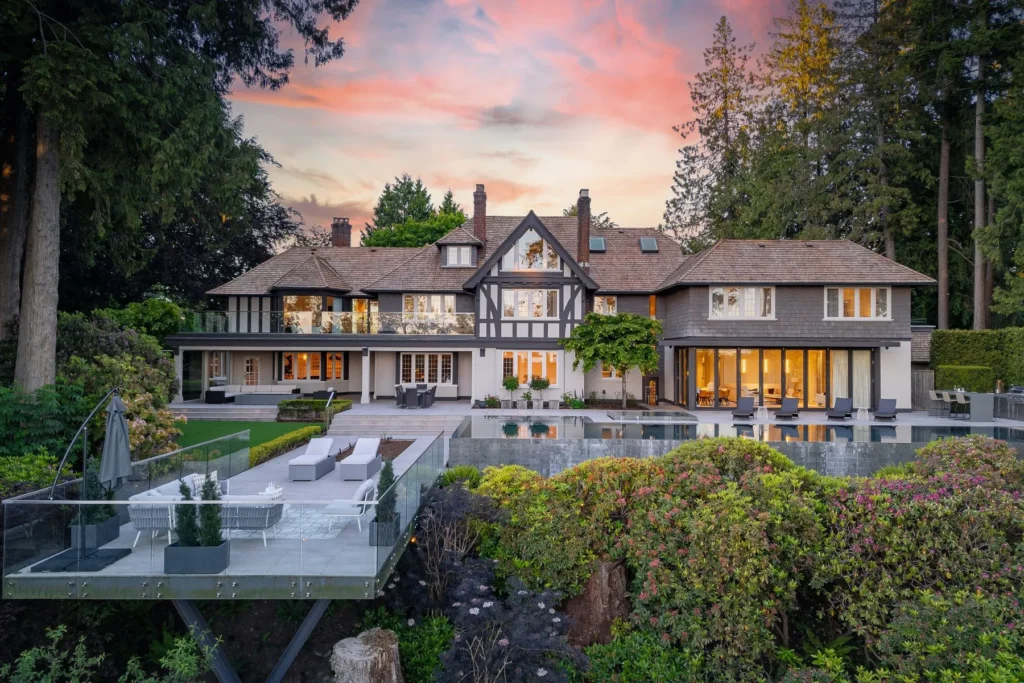
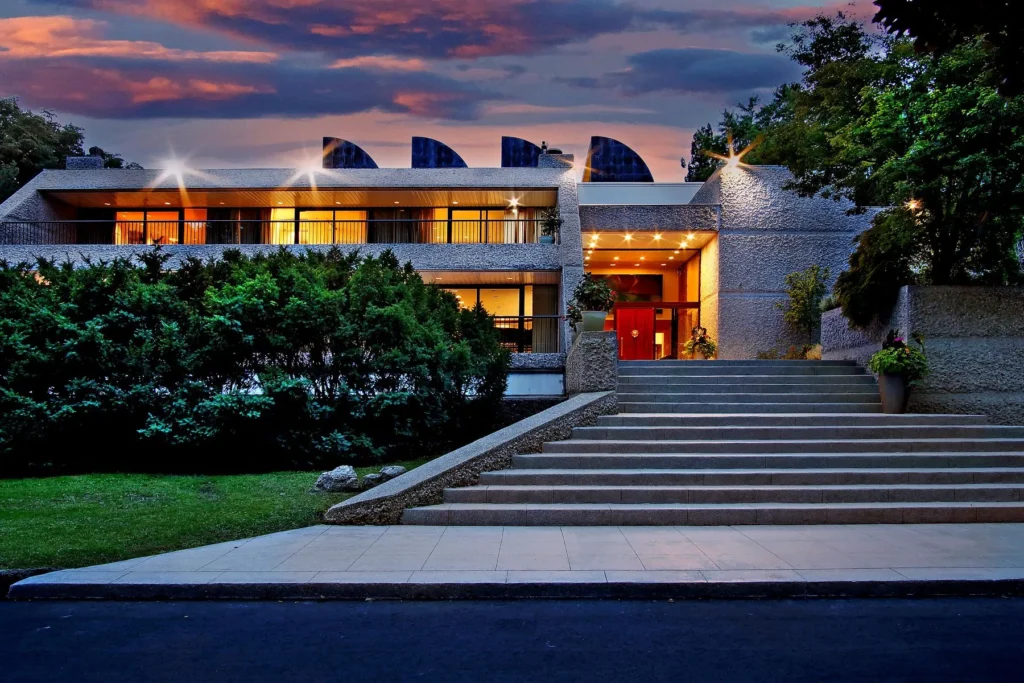
$14,000,000 Luxury House In Montréal, Canada
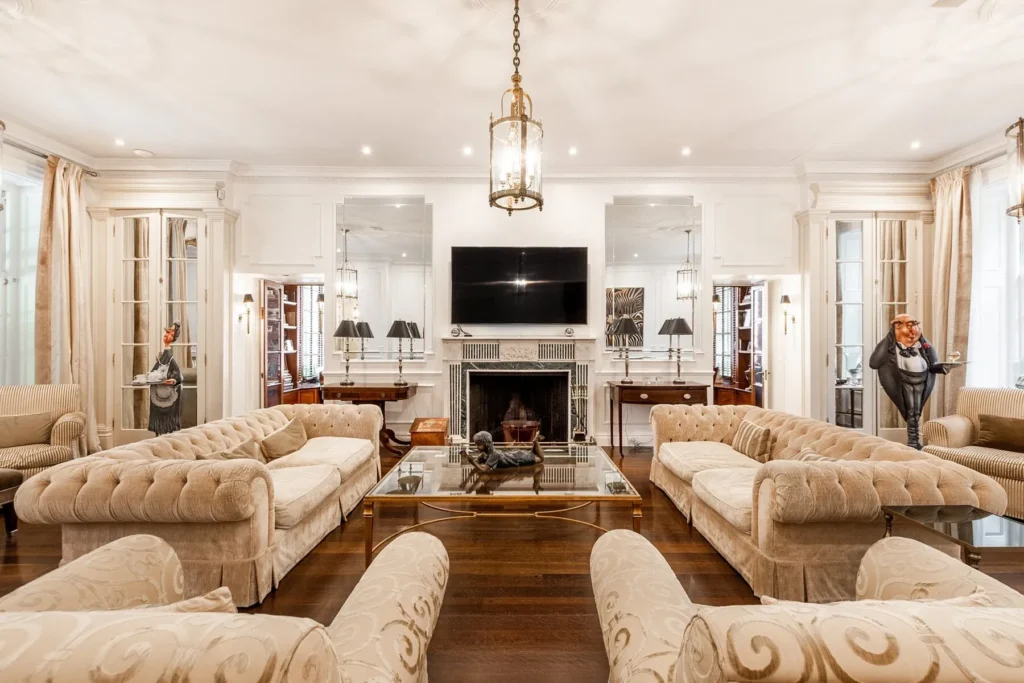
The ultra-luxury residential market in Montréal operates on a highly specific narrative of historic prestige, European architectural charm, and neighborhood exclusivity. When an expansive estate emerges within the elite enclave of Westmount, carrying a premium valuation of $14,000,000 USD (approximately $19,000,000 CAD), the real estate marketing machine shifts instantly into hyperdrive. Brokers deploy highly emotional sales vocabulary, framing the property as an unassailable legacy vault, a private park-like sanctuary, and a timeless symbol of success that insulates your capital from global economic volatility.
The physical property currently commanding this high-tier positioning is a grand manor house nestled on a sprawling 30000 square foot private lot. Built to represent the absolute peak of refined Canadian living, the estate layout features elegantly proportioned formal entertainment galleries, an outdoor in-ground swimming pool, a private championship-sized tennis court, and a professionally crafted short-game practice and golf putting green surrounded by mature, dense landscaping.
On a glossy investment brochure or an exclusive digital house tour, this compound presents an imagery of pristine lifestyle victory.
However, when an institutional investor or a seasoned ultra-high-net-worth asset manager evaluates an acquisition crossing the fourteen million dollar mark, the assessment must look past the emotional prose and sunset narratives. We must execute a calculated financial, structural, and regulatory audit to answer one cold question: Is this property genuinely worth the price?
By analyzing this property through the metrics of harsh Quebec winterization liabilities, multi-amenity operational overhead, punitive municipal tax structures, and alternative asset opportunity costs, it becomes evident that this Westmount estate carries deep operational inefficiencies. Under a standard passive holding strategy, it behaves as a high-liability capital trap that will systematically erode your wealth. This unvarnished review tears down the lifestyle sales myth and reveals the raw economic variables beneath this $14,000,000 Montréal estate.
1. The Immediate “Welcome Tax” Shock: A Multi-Hundred Thousand Dollar Entry Friction
The first and most immediate financial hurdle confronting any investor looking at Westmount Montreal houses for sale is Quebec’s aggressive municipal property transfer system, ironically nicknamed the Welcome Tax (Droit de mutation immobilière).
Unlike standard international real estate markets where closing transaction taxes are kept low or can be rolled directly into institutional financing, Quebec municipalities calculate transfer duties progressively using highly punitive tax brackets for luxury properties,
[ Your Liquid Capital: $14,000,000 USD / ~$19,000,000 CAD ]
                                  │
     (Progressive Municipal Property Transfer Duty Brackets)
                                  │
[ Immediate Welcome Tax Due (30-90 Days): ~$750,000+ CAD ]
                                  │
[ Sunk Cash Outflow: Equivalent to Wiping Out 4% of Core Asset Value Upon Closing ]
The City of Montréal and the City of Westmount enforce aggressive marginal tax brackets that climb up to 4% for properties valued above $3.1 million CAD. For an acquisition valued at roughly $19,000,000 CAD, your municipal Welcome Tax invoice will scale to approximately $750,000+ CAD.
This entire amount must be settled directly with the municipality in a single, non-negotiable cash payment within 30 to 90 days of closing. It cannot be financed through a traditional mortgage, and it adds absolutely zero functional value to the physical structure or land. You enter ownership with a massive, immediate sunk-cost penalty that requires significant, multi-year market appreciation just to return your portfolio to a baseline break-even state.
2. The Championship Tennis Court and Putting Green Liability Matrix
The centerpiece of this 30,000 square foot urban oasis is its extensive outdoor recreational infrastructure, boasting a championship-sized tennis court and a custom-engineered golf practice and putting green. While real estate brochures pitch these features as an unmatched resort-grade playground for everyday refined recreation, institutional property managers analyze them as high-liability maintenance drains.
Operating professional-grade athletic surfaces within Montréal’s specific climate profile creates an endless cycle of high-cost restoration bills,
Montréal experiences grueling, sub-zero winter freeze-thaw cycles that place severe physical and structural strain on horizontal outdoor sports surfaces.
                        [ Active Autumn Rain Cycles ]
                                      │
                                      ▼
                     [ Saturated Base Soil Moisture ]
                                      │
         ┌────────────────────────────┴────────────────────────────┐
         ▼                                                         ▼
[ Asphalt Sub-Base Shifting ]                             [ Synthetic Turf Frost Heaving ]
Water expands during freezing winter,                     Ice lenses form beneath the green, warping
cracking tennis court acrylic coatings.                   the grade required for precision putting.
An asphalt or concrete championship tennis court requires absolute surface planarity to remain playable. During the deep winter freeze, water traps itself beneath the court sub-base. As it shifts into solid ice, it expands, causing the asphalt to buckle and develop hairline fractures—a structural failure known as frost heaving.
By the time spring arrives, the premium acrylic surface coatings begin to peel, crack, and flake, requiring specialized sport-surface contractors to execute intensive crack-injection and re-leveling treatments every season.
Similarly, the private putting green requires continuous, specialized landscaping oversight. If it features natural turf, it demands daily cutting, hyper-specific moisture balancing, and expensive chemical treatments to prevent snow mold colonization. If it utilizes synthetic materials, the sub-grade aggregates must be constantly re-compacted to prevent winter frost from warping the slope, changing it from a precision putting tool into an uneven, unkept patch of turf that detracts from the home’s visual presentation.
3. The Freeze-Thaw Structural Abyss: The Vulnerability of Large-Scale Historic-Style Manors
The architectural narrative of this Westmount estate describes superbly proportioned rooms that present a harmonious blend of classic elegance and modern contemporary sophistication. While large windows and sprawling floor plans project an image of grand scale, managing a large-scale, historic-style masonry structure in Quebec is a major structural battle against thermal dynamics.
Montréal’s annual climate features a dramatic, highly aggressive 70-degree Celsius temperature variation between summer heat and intense winter cold fronts, placing extreme physical stress on the property’s exterior envelope,
Masonry Spalling and Grout Degradation: During late autumn, torrential rains saturate the stone or brick veneers of the estate. When winter temperatures plunge toward -20°C, that trapped water freezes solid inside the masonry pores. The expansion forces crack the structural mortar grout lines and cause the face of the premium stone to flake away—a highly destructive process known as masonry spalling.
The Window Seal and Thermal Shock Trap: Sprawling formal rooms require expansive windows to capture the lush garden views. Exposing massive expanses of architectural glass to sub-zero external air while the internal building climate is heated to 21°C creates a severe thermal shock gradient. This atmospheric tension causes window frames and silicone gaskets to contract and expand unevenly, leading to seal failures that let cold air infiltrate the rooms, creating high utility footprints and moisture leaks inside the walls.
4. The 30,000 Square Foot Spatial Redundancy Trap: Funding Dead Interior Space
When wealthy international buyers search for most expensive houses in Montreal or review properties with vast interior square footages, they routinely mistake vast scale for enhanced personal lifestyle comfort. This Westmount mansion features multiple wings of superbly proportioned rooms, grand social ballrooms, a cozy library room, and extensive secondary hosting suites designed for effortless, large-scale entertainment.
Let us map out the real-world operational efficiency of an over-scaled residential footprint over a standard calendar year,
                      [ Total Residential Square Footage ]
                                       │
         ┌─────────────────────────────┴─────────────────────────────┐
         ▼                                                           ▼
[ High-Frequency Active Zones ]                             [ Low-Frequency Dead Space ]
Primary Master Suite, Family Kitchen,                       Grand Entertainment Rooms, Secondary Suites,
Main Living Room, Home Office.                              Indoor Corridors, Formal Dining Halls.
(Occupies ~30% of Total Space)                              (Occupies ~70% of Total Space)
In day-to-day operations, even the most active families utilize less than thirty percent of the available physical space. The secondary guest wings, the grand formal ballroom spaces, the separate hosting suites, and the vast interior circulation corridors sit entirely silent for months at a time.
Yet, because the building features soaring ceilings and vast open-plan architectural volumes, the entire 100% of the structure must be actively heated, ventilated, and monitored twenty-four hours a day, seven days a week.
Even during the winter months when you are traveling internationally, you cannot simply shut down the property’s heating networks. To prevent interior water pipes from freezing and bursting inside the walls, and to protect custom wood joinery from cracking due to shifting indoor humidity, the central heating infrastructure must maintain a baseline temperature across thousands of square feet, resulting in substantial, non-yielding monthly utility expenses.
5. The Westmount Historic Preservation Trap: Zero Remodeling Autonomy
Westmount is globally celebrated for its collection of historic architectural properties and its highly protective municipal community heritage rules. While living inside a neighborhood that values historical preservation protects the local aesthetic cachet, from a capital optimization and customization standpoint, it places your investment inside an administrative cage.
If this $14,000,000 estate falls within a protected architectural classification or is listed on the local heritage inventory, you lose total control over your remodeling choices,
[ Proposed Modern Facade Modification ] ──► [ Westmount Planning Advisory Committee ] ──► [ Historic Heritage Evaluation ]
                                                                                                    │
[ Project Paralyzed / Costly Appeal Delays ] ◄── [ Absolute Design Veto / Material Rejection ] ◄── [ Preservation Restrictions ]
The Veto Power of Local Planning Committees: If you wish to replace original wood-framed double-hung windows with highly efficient modern aluminum multi-pane glass systems, or alter the classic stone facade lines to update the style, you must submit your blueprints to the Westmount Planning Advisory Committee (PAC). These committees possess the absolute legal authority to veto your project if they feel your modifications compromise the original architectural heritage of the neighborhood.
The Artisanal Cost Multiplier: When heritage restrictions force you to preserve or replicate historic construction details, standard modern building methods are barred. You are legally required to hire specialized restoration carpenters and historical masons who utilize low-volume fabrication techniques, turning basic property modernizations into lengthy, multi-million-dollar construction projects.
6. The Apex Illiquidity Trap: The Frozen Secondary Market of Montréal Luxury Real Estate
While the general residential real estate market across Montréal shows steady transaction speed and reliable capital liquidity for mid-market single-family homes and urban condos, those dynamic rules apply exclusively to standard properties. The second a single residential asset crosses the ten million dollar threshold in Westmount, it exits the fluid real estate market completely and enters an incredibly sticky, frozen asset layer.
▲ [ $14M Apex Layer: Westmount Estate Oasis ] ──► Buyer Pool: Microscopic Pool of Global Billionaires & Funds (Years to Exit)
■ [ $2M - $5M Layer: Standard West Van Detached Homes ] ──► Buyer Pool: Affluent Domestic Executive Executives (Moderate Speed)
● [ Under $1.5M Layer: Mass Market Condos & Towns ] ──► Buyer Pool: General Public & General Retail Investors (High Liquidity)
If your primary business operations, international ventures, or global equity portfolios encounter an unexpected requirement for rapid liquidity, you cannot easily or quickly convert a custom 30,000 square foot Westmount estate into liquid funds. The absolute pool of international or domestic buyers possessing the un-leveraged capacity to finalize a fourteen-million-dollar cash transaction—while willingly absorbing Canada’s modern foreign ownership bans and Quebec’s Welcome Tax—is exceptionally small.
A property of this scale frequently sits on the private registries of specialized family offices for twelve, twenty-four, or thirty-six months before discovering a buyer whose personal aesthetic taste matches the building’s specific historic configuration. If you must exit the asset quickly due to shifting economic conditions, you will be systematically forced to accept an aggressive capital markdown just to attract an opportunistic cash buyer capable of closing a complex real estate transaction.
7. The Permanent Domestic Workforce Management Burden
You cannot comfortably operate an estate that contains an expansive multi-wing manor, an in-ground pool, a championship tennis court, an automated putting green, and a 30,000 square foot lot with a standard domestic cleaning template.
By purchasing this property, you are effectively appointing yourself as the managing director of a highly active, specialized domestic workforce corporation,
The Dedicated Workforce Footprint: This massive property requires an active, permanent, multi-person staff ecosystem to remain operational. You will need a full-time professional estate manager, multiple specialized interior housekeepers trained to handle historic preservation materials, a pool and tennis court technician, a professional greenkeeper for the golf turf, and specialized security personnel to monitor the expansive boundary lines.
The Absolute End of Privacy: True luxury is fundamentally rooted in quiet isolation, personal freedom, and absolute boundary control. However, because this massive Westmount estate requires non-stop technical adjustments, landscape grooming, and structural monitoring, your home will permanently have staff members and external technical contractors moving through the service corridors, gardens, and tennis courts, completely eliminating the intimate family dynamic of a traditional home.
The Administrative Oversight Strain: Tracking payroll, managing employee health insurances, coordinating service contracts, and handling internal staff scheduling turns your private residence into a continuous operational administrative center, consuming your highly valuable personal time and mental bandwidth.
8. The Staggering Financial Opportunity Cost of Fourteen Million Dollars of Dead Capital
The final, and most compelling economic argument against deploying your liquid wealth into this Westmount estate is the profound opportunity cost of capital. When you lock away fourteen million dollars of liquid wealth into a single, non-income-generating primary residential asset, you are permanently removing that capital from the global financial landscape where it could be working to produce highly secure, compounding cash flows.
Let us run a highly objective, conservative financial comparison of how that exact block of wealth behaves over a standard five-year investment holding window when deployed into active, liquid market instruments versus sitting inside a dead luxury residential asset,
+-----------------------------------+-----------------------------------+
| $14M Capital Sunk in Montreal Home| $14M Capital Deployed in Markets  |
+-----------------------------------+-----------------------------------+
| Generates $0 in passive cash flow.| At a conservative 6% compounding  |
| Accumulates massive annual bills  | annual yield, generates over      |
| for heating, cooling, & taxes.    | $840,000 in cash *every year*.    |
+-----------------------------------+-----------------------------------+
Over a five-year investment window, a professional, diversified corporate portfolio worth fourteen million dollars will effortlessly produce over four million two hundred thousand dollars in clean, highly liquid compounding profit while maintaining absolute capital mobility. Conversely, the Westmount estate will have actively drained millions of additional dollars out of your pocket to cover high municipal property taxes, substantial electrical and gas utility bills to heat a massive structure through Canadian winters, ongoing tennis court resurfacing, and landscape maintenance, while its final secondary market resale value remains completely dependent on the unpredictable high-end property cycles of Quebec. From a standpoint of raw wealth optimization and asset protection, spending this scale of money on a single home is an inefficient use of capital.
Comprehensive Structural Matrix: The Sales Presentation vs. Valuation Reality
To ensure your luxury property acquisitions are guided by cold investment logic rather than romantic real estate storytelling, carefully evaluate this direct contrast between what the broker’s marketing brochure promises and the real-world operational reality of this Westmount estate,
| The Hyper-Luxury Feature | The Broker’s Glamorous Presentation | The Real-World Operational & Financial Reality |
| $14,000,000 Purchase Price | An elite trophy property indicating the absolute peak of Canadian success, wealth, and prestige. | Extreme capital lockup with heavy asset illiquidity and high annual fixed holding costs. |
| 30,000 Sqft Urban Lot Oasis | A park-like sanctuary offering unmatched privacy and total exclusivity behind lush greenery. | Massive landscaping liability requiring a permanent greenkeeper to manage the multi-zone grounds. |
| Championship Tennis Court | Premium outdoor centerpiece designed to allow world-class athletic recreation at home. | Highly vulnerable to winter frost heaving and sub-base shifting, requiring frequent surface sealing. |
| Golf Practice & Putting Green | Custom-crafted turf space built to allow you to sharpen your short game in privacy. | Extreme horticultural liability requiring constant aeration and chemical snow-mold protections. |
| Superbly Proportioned Rooms | A harmonious blend of classic elegance and modern contemporary sophistication. | Significant capital allocated to dead space that requires continuous heating and climate management. |
| Prime Westmount Location | Positioned proudly within Montréal’s most coveted, world-famous historic luxury neighborhood. | High exposure to strict municipal planning vetoes and historic preservation laws that limit customization. |
Is This Westmount Mansion Built for Anyone?
Despite this extensive structural, logistical, and financial critique, this property remains a unique monument to Canadian residential history. The critical step to avoiding severe investor remorse is recognizing whether your personal balance sheet and global wealth infrastructure are vast enough to absorb the severe inefficiencies of this property class.
You are completely wasting your money on this estate if,
You expect your assets to remain liquid and agile: If your investment strategy relies on rapid capital mobility and the ability to exit positions within a short calendar window.
You analyze real estate through net-yield return: If you judge your asset allocations through the strict math of opportunity cost and capital efficiency.
You value complete family privacy: If your lifestyle demands absolute seclusion without a permanent, multi-person staff workforce operating within your daily boundaries.
You want a low-maintenance home: If you find managing asphalt tennis surfaces, automated multi-building heating networks, and complex municipal transfer tax structures technically annoying.
This estate represents a justifiable acquisition only if,
Your net worth exceeds several hundred million dollars: Meaning a fourteen-million-dollar capital lockdown represents a minor fraction of your overall global wealth footprint.
You are an absolute collector of rare historic style properties: And view living inside an uncompromised classic Westmount estate as a vital legacy milestone.
You maintain an established, long-term footprint in Montréal: And intend to utilize the property as a permanent family foundation for decades, neutralizing short-term liquidity concerns.
The personal prestige of the address completely outweighs economic logic: And you possess the financial infrastructure to effortlessly support an active, live-in property management team to run a complex residential structure.
The Verdict: Before You Issue an Inquiry to REM
If you are currently browsing high-end search results for buy luxury estate Montreal or analyzing this spectacular entry at Westmount, the final conclusion requires looking past the glamorous real estate presentation.
This multi-wing residence is an architectural triumph, but as a financial investment vehicle, it carries heavy operational and regulatory liabilities. It demands an immense lifestyle and operational sacrifice from its custodian. It forces you to manage high-maintenance landscape and athletic infrastructure, absorb punitive entry tax structures, combat aggressive Canadian winter elements, and accept a massive capital lockup within an illiquid price bracket.
Before you take any steps toward requesting private viewings, formal contract reviews, or structured financial terms, protect your global wealth. Work alongside an independent luxury asset advisory office to run a comprehensive multi-year operational cost projection. Physically audit the structural performance of the tennis court foundations against frost heaving, and deeply calculate the true opportunity cost of moving fourteen million dollars out of the global financial markets.
For more information on the exact architectural layout files, to review construction compliance documentation, or to arrange an independent private tour of the Westmount sector, contact REM. Ensure you approach the negotiation table with a completely clear, realistic perspective on the long-term realities of ultra-luxury asset ownership.

Moses Oyong is a Real Estate Growth Marketing Manager and PropTech specialist with over a decade of closing residential and commercial deals worth over 200 million across Nigeria and international markets. Known for engineering AI-driven workflows that delivered a 69% uplift in sales targets and cut lead response times by 85%, Moses bridges the gap between high-performance marketing, land law, and technology to help investors, developers, and first-time buyers make confident, informed property decisions in an increasingly digital world.