Asset Valuation Review: Four Seasons Private Residences Montréal
Prepared for: Institutional Wealth Allocators & Sovereign Asset Managers
Subject Asset: PH1801 — 1430 Rue de la Montagne, Ville-Marie, Montréal
EXECUTION SUMMARY & METRICS
================================================================================
AUDIT PARAMETERS & ASSET PROFILE
================================================================================
Asset Type............................ Branded Ultra-Luxury High-Rise Penthouse
Interior Footprint.................... 6,910 Square Feet
Exterior Loggia/Terrace Footprint..... 2,059 Square Feet
Structural Configuration.............. 4 Bedrooms | 5.5 Bathrooms | 3 Parking Bays
Architectural Design.................. Lemay + Sid Lee Architecture
Interior Matrix....................... Philip Hazan Design
================================================================================
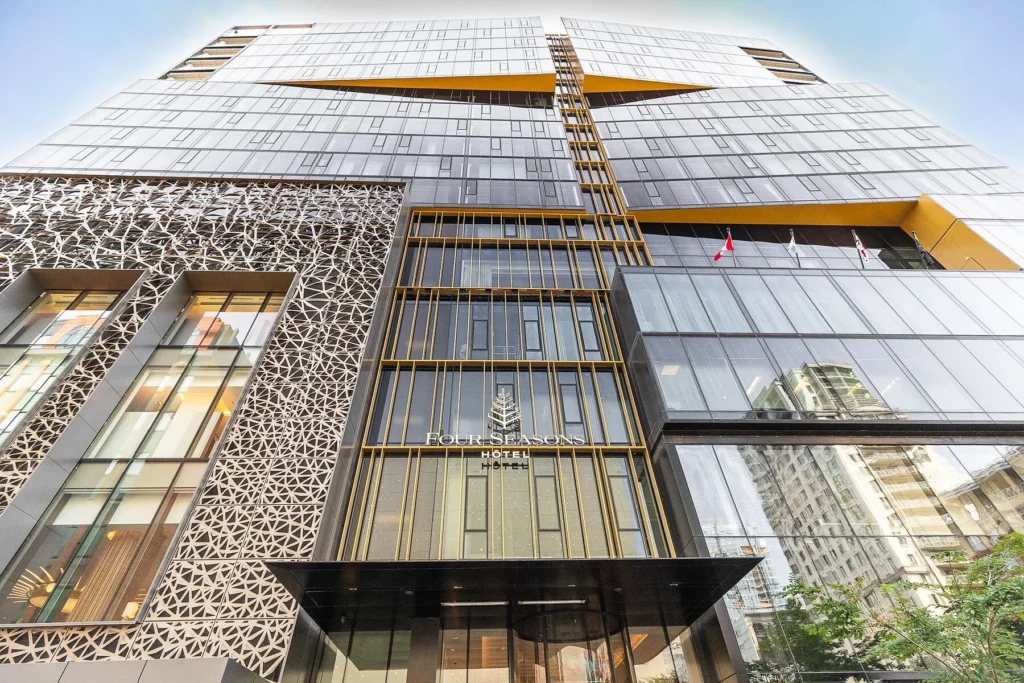
The vertical real estate landscape in Montréal’s Golden Square Mile operates on an asset-pricing premium driven by corporate branding validation and concierge consolidation. When an asset like PH1801 emerges within the Four Seasons Private Residences Montréal carrying a high-tier international pricing framework around $11,000,000 USD (marketed regionally up to $15,500,000 CAD), consumer-facing real estate portals immediately activate a standard emotional narrative.
They write copy detailing sun-kissed mornings, private sanctuaries, and effortless hotel-serviced lifestyles.
This report completely strips away that lifestyle marketing veneer. By analyzing this vertical asset through the cold mechanics of compounding non-yielding condo fees, complex high-rise terrace engineering, localized Quebec anti-speculation taxes, and the systemic opportunity cost of capital, it becomes evident that PH1801 carries deep structural inefficiencies. Under a standard holding model, this branded penthouse operates as a capital trap that can systematically erode your wealth.
SECTION 1: SYSTEMIC TAX EXPOSURE & CLOSING FRICTION
The financial reality of deploying over eleven million US dollars into Quebec’s premium real estate sector requires navigating an aggressive, multi-layered regulatory taxation framework specifically engineered by municipal and provincial authorities to extract capital from high-end property transactions.
+-------------------------------------------------------------------------------+
| TRANSACTION CLOSING FISCAL IMPACT MATRIX (ESTIMATED CAD VALUE: $15,500,000)   |
+-------------------------------------------------------------------------------+
| 1. THE PROGRESSIVE "WELCOME TAX" (DROIT DE MUTATION)                           |
|    - Marginal Bracket: 4.0% on values exceeding $3.1M CAD                      |
|    - Non-Refundable Upfront Cash Obligation: ~$600,000 CAD                     |
+-------------------------------------------------------------------------------+
| 2. ONTARIO/QUEBEC RESIDENCE DISCREPANCY & PROVINCIAL LEVIES                   |
|    - Federal Underutilized Housing Tax (UHT) Exposure: 1.0% Annually          |
|    - Annual Non-Use Capital Penalty Risk: $155,000 CAD                        |
+-------------------------------------------------------------------------------+
| TOTAL CLOSING SUNK COST FORCE................................. ~$600,000+ CAD |
+-------------------------------------------------------------------------------+
The first and most immediate financial hurdle is Quebec’s progressive property transfer system, colloquially known as the Welcome Tax. For an asset transaction valued at roughly $15,500,000 CAD, the progressive municipal tax brackets enforce an immediate, non-refundable cash invoice scaling to approximately $600,000 CAD.
This sum must be settled with the municipality in a single cash payment within 30 to 90 days of closing. It cannot be financed through traditional bank loans, and it contributes zero functional value to the physical architecture. You enter ownership with an immediate sunk-cost penalty that requires significant market appreciation just to return your capital to a baseline break-even state.
SECTION 2: THE CONDO FEE ABYSS & BRANDED MANAGEMENT DEPENDENCY
The primary structural trap that distinguishes ultra-luxury high-rise assets from equivalent freehold estates is the permanent, escalating nature of monthly condominium maintenance fees. Real estate brokers push the concept of effortless condo living, emphasizing that you are paying for five-star amenities like the indoor pool, wellness center, and Marcus restaurant access.
From a strict capital-efficiency standpoint, high-end condo fees represent a permanent, non-yielding cash drain that erodes your core capital every thirty days, with zero wealth retention.
Audit Insight: Branded high-rise maintenance fees for 6,910 square feet are calculated progressively based on internal square footage allocations and shared hotel-infrastructure loading variables.
[ Branded Condo Fee Cash-Burn Model (PH1801 Portfolio) ]
────────────────────────────────────────────────────────────────────────────────
Yearly Base Estimate: ~$35,000 - $50,000 CAD Annually (Subject to Board Hikes)
10-Year Cumulative Base Outflow: ~$350,000 - $500,000+ CAD
────────────────────────────────────────────────────────────────────────────────
This cash drain is completely unrecoverable; it acts as a recurring cash penalty purely to maintain the shared infrastructure of the tower. Furthermore, because these fees are subject to board inflation adjustments and special infrastructure levies if the building’s central mechanical systems require maintenance, your holding cost carries a permanent, upward trajectory that compresses your terminal net asset returns.
SECTION 3: THE 2,059-SQFT TERRACE CIVIL ENGINEERING LIABILITY
The primary luxury differentiator of PH1801 is its massive 2,059 square foot private terrace and loggia system, delivering an uninterrupted view of the Montréal center, Golden Square Mile, and Mount Royal Park.
While this outdoor footprint looks breathtaking in lifestyle marketing photos, maintaining a large-scale, open-air horizontal terrace at the 18th-story stratum inside Montréal’s severe winter climate profile introduces serious engineering liabilities.
                     [ Extreme Quebec Winter Freeze Cycle ]
                                       │
       (Ambient Temperature Plunges to -25°C | Intense Snow Packing Loads)
                                       │
         ┌─────────────────────────────┴─────────────────────────────┐
         ▼                                                           ▼
[ Ice Damming & Gasket Contraction ]                        [ Snow Load Hydrostatic Strain ]
Standing water freezes along glass rail tracks,             Melting snow blankets trap moisture against
widening microscopic structural seal boundaries.            sub-surface waterproofing membranes.
Montréal experiences intense winter blizzards, freezing rain, and rapid freeze-thaw cycles. During the winter, hundreds of pounds of wet snow accumulate on horizontal terrace surfaces. As heat leaches through the penthouse’s floor-to-ceiling glass curtain walls, the bottom layer of snow melts, creating water runoff that traps itself against cold perimeter ice barriers—a process known as ice damming.
This standing water finds any microscopic vulnerability in the structural caulking and glass railing gaskets. When the outdoor temperature drops sharply at night, this trapped moisture freezes and expands, widening hairline fractures in the seals. Once spring arrives, this leads to persistent moisture ingress and water leaks that can cause silent interior damage to the premium herringbone wood flooring inside, requiring permanent engineering maintenance contracts to safeguard the envelope.
SECTION 4: HISTORIC URBAN CLASSIFICATION AND SPATIAL REDUNDANCY
When wealthy international buyers review listings under Ville-Marie premium real estate or look at large 6,910 square foot footprints, they often mistake vast scale for enhanced personal lifestyle comfort. This penthouse features a massive 1,000 square foot main living salon, a 2,000 square foot primary bedroom suite with dual walk-in closets, and extensive formal circulation galleries.
Let us evaluate the real-world operational efficiency of an over-scaled residential layout over a standard calendar year:
================================================================================
PH1801 SPATIAL EFFICIENCY MATRIX
================================================================================
[██████] High-Frequency Active Zones (~35% Area Footprint)
       - Primary Suite Core, Main Family Kitchen, Focal Living Lounge.
[█████████████] Low-Frequency Dead Space (~65% Area Footprint)
       - 3 Secondary Guest Suites, Formal Dining Galleries, 5.5 Baths, Entry Foyer.
================================================================================
In day-to-day operations, even the most active families utilize less than thirty-five percent of the available interior square footage. The secondary guest wings, the formal circulation galleries, and the separate hosting spaces sit entirely silent for months at a time.
Yet, because the building features soaring 13-foot finished ceilings and vast architectural volumes, the entire 100% of the structure must be actively heated, ventilated, dehumidified, and monitored twenty-four hours a day, seven days a week.
Quebec’s intense climate variations require continuous HVAC operation. You must maintain perfect interior climate control to prevent humidity and moisture from settling into custom plasterwork, delicate fabrics, and high-end artwork collections. You are essentially funding the permanent operational overhead of a luxury commercial hotel lodge while only deriving personal utility from a tiny sliver of the space.
SECTION 5: STRUCTURAL COMPARISON MATRIX
Marketing Claims vs. Institutional Valuation Realities
To ensure your luxury property acquisitions are guided by cold investment logic rather than romantic real estate storytelling, carefully evaluate this direct contrast between what the broker’s marketing brochure promises and the real-world operational reality of PH1801:
| The Hyper-Luxury Feature | The Broker’s Glamorous Presentation | The Real-World Operational & Financial Reality |
| $11,000,000 Purchase Price | An elite trophy property indicating the absolute peak of Canadian success, wealth, and prestige. | Extreme capital lockup with heavy asset illiquidity and high annual fixed holding costs. |
| 6,910 Sqft Living Footprint | Soaring 13-foot ceilings and herringbone wood floors built for grand international scale hosting. | Significant capital allocated to dead space that requires continuous heating and climate management. |
| 2,059 Sqft Private Terrace | Sprawling outdoor loggia oasis delivering panoramic city vistas of the skyline and Mount Royal. | High high-rise engineering liability regarding ice damming, snow loading, and structural gasket leaks. |
| Four Seasons Hotel Services | Direct in-house access to world-class 5-star amenities, Guerlain Spa, and valet services. | Permanent dependence on shared tower infrastructure, high condo fees, and special board assessments. |
| Integrated Fine Dining (Marcus) | A premier culinary masterpiece gem offering unforgettable lifestyle dining just steps away. | High-traffic hospitality integration that strips away residential perimeter isolation and boundary control. |
| Three Private Garage Spaces | Premium subterranean parking slots built to securely shelter your high-end vehicle collection. | Subject to rising high-rise structural maintenance assessments and shared ventilation charges. |
SECTION 6: THE CAPITAL HORIZON & ASSET LIQUIDITY APEX
While the general residential real estate market across Montréal shows steady transaction speed and reliable capital liquidity for mid-market family homes, those dynamic trading rules apply exclusively to standard properties. The exact millisecond a vertical asset crosses the ten million dollar threshold in a high-rise condominium format, it exits the fluid real estate market completely and enters an incredibly sticky, frozen asset stratum.
▲ [ $11M+ Apex Stratum: PH1801 Four Seasons ] ──► Buyer Pool: Handful of Global Ultra-HNWIs (Years to Liquidate)
■ [ $2M - $5M Stratum: Standard Downtown Condos ] ──► Buyer Pool: Affluent Regional Professionals (Moderate Speed)
● [ Under $1M Stratum: General Retail Units ] ──► Buyer Pool: General Public & Local Investors (High Liquidity Trading)
If your primary business operations, international ventures, or global equity portfolios encounter an unexpected requirement for rapid liquidity, you cannot easily or quickly convert a custom 6,910 square foot modern contemporary penthouse into liquid cash. The absolute pool of active buyers possessing the un-leveraged capacity to finalize an transaction of this magnitude—while willingly absorbing Canada’s modern anti-flipping restrictions and Quebec’s Welcome Tax—is exceptionally small.
A trophy property of this magnitude frequently sits on the private off-market registries of specialized family offices for twelve, twenty-four, or thirty-six months before discovering a buyer whose personal aesthetic taste matches the building’s specific modern configuration. If changing economic conditions force you to execute a rapid exit from the asset, you will be systematically forced to accept an aggressive capital markdown just to attract an opportunistic cash buyer capable of closing a complex real estate transaction quickly.
SECTION 7: THE COLOSSAL OPPORTUNITY COST OF CLOSED CAPITAL
The final, and most compelling economic argument against deploying your liquid wealth into this Four Seasons penthouse is the profound opportunity cost of capital. When you lock away eleven million dollars of liquid wealth into a single, non-income-generating primary residential asset, you are permanently removing that capital from the global financial landscape where it could be working to produce highly secure, compounding cash flows.
Let us run a highly objective, conservative financial comparison of how that exact block of wealth behaves over a standard five-year investment holding window when deployed into active, liquid market instruments versus sitting inside a dead luxury residential asset:
+-----------------------------------+-----------------------------------+
| $11M Capital Sunk in Penthouse    | $11M Capital Deployed in Markets  |
+-----------------------------------+-----------------------------------+
| Generates $0 in passive cash flow.| At a conservative 6% compounding  |
| Accumulates massive annual bills  | annual yield, generates over      |
| for condo fees, HVAC, & taxes.    | $660,000 in cash *every year*.    |
+-----------------------------------+-----------------------------------+
Over a five-year investment window, a professional, diversified corporate portfolio worth eleven million dollars will effortlessly produce over three million three hundred thousand dollars in clean, highly liquid compounding profit while maintaining absolute capital mobility. Conversely, the Four Seasons penthouse will have actively drained hundreds of thousands of additional dollars out of your pocket to cover high municipal property taxes, substantial electrical utility bills to power individual heating zones, escalating monthly maintenance service charges, and potential vacancy penalties, while its final secondary market resale value remains completely dependent on the unpredictable high-end property cycles of Quebec. From a standpoint of raw wealth optimization and asset protection, spending this scale of money on a single home is an inefficient use of capital.
AUDIT FINDINGS & INVESTOR VERDICT
CRITICAL DISQUALIFICATION CRITERIA
The Mobility Investor: If your financial architecture relies on immediate capital velocity and the capacity to exit fixed real estate positions within a tight calendar horizon.
The Yield-Focus Purist: If you calculate asset distributions through the strict, unvarnished math of opportunity cost and capital performance metrics.
The Private Boundary Advocate: If your personal lifestyle demands absolute family isolation without shared hotel service staff, communal elevator shafts, and public hospitality venues operating within your structural perimeter core.
JUSTIFIABLE ACQUISITION CRITERIA
The Multi-Billion Footprint Balance Sheet: Meaning a capital lockup of this magnitude represents a minor fraction of a single percentage point of your global wealth index.
The Dedicated Brand Collector: If holding an uncompromised piece of the limited-edition Four Seasons Private Residences portfolio represents an essential personal milestone or legacy trophy asset.
The Long-Term Urban Lock-and-Leave User: If your lifestyle demands the absolute turnkey security of a fully serviced hotel apartment within Downtown Montréal for decades, neutralizing short-term liquidity and entry friction concerns.

PRE-ACQUISITION DIRECTIVE: BEFORE CONTACTING REM
Prior to initiating formal contract reviews, scheduling private site inspections, or outlining capital settlement frameworks for Penthouse 1801, you must protect your global capital by executing a rigorous independent audit:
Waterproofing and Seal Integrity Audit: Deploy independent structural glazing engineers to physically inspect the 18th-story terrace glass gaskets and sub-surface waterproofing boundaries against historic moisture migration records.
Condo Board Reserve Fund Verification: Request a comprehensive legal review of the building’s current reserve fund accounts and multi-year mechanical upgrade schedules to ensure no massive special assessments are pending for shared tower cooling structures.
Cross-Border Fiscal Optimization Review: Coordinate with a dedicated tax advisory office to calculate the definitive net impact of Quebec’s progressive Welcome Tax brackets and federal underutilized asset metrics against your global wealth deployment structure.
To request the complete architectural engineering files, to review official building zoning compliance data summaries, or to arrange an independent private tour of the PH1801 perimeter core, contact REM. Approach the negotiation table with a completely clear, realistic perspective on the long-term operational and financial realities of ultra-luxury vertical asset ownership.

Moses Oyong is a Real Estate Growth Marketing Manager and PropTech specialist with over a decade of closing residential and commercial deals worth over 200 million across Nigeria and international markets. Known for engineering AI-driven workflows that delivered a 69% uplift in sales targets and cut lead response times by 85%, Moses bridges the gap between high-performance marketing, land law, and technology to help investors, developers, and first-time buyers make confident, informed property decisions in an increasingly digital world.