Property Review: Century Park Mansion Priced At A Million Dollars
Asset Valuation, Fiscal Friction, and Governance Risk Analysis
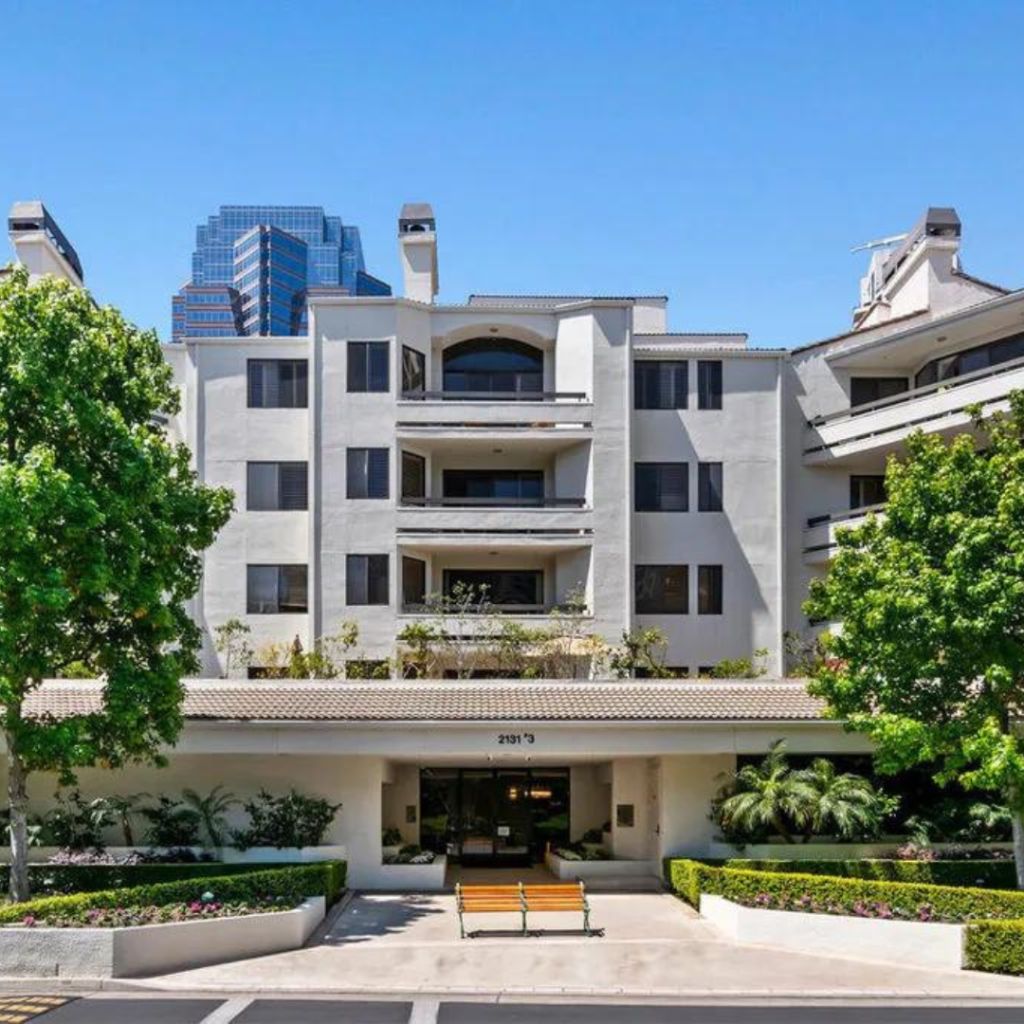
Location: 2131 Century Park Lane, Unit 105, Century City, Los Angeles, California
Underwritten Valuation Framework: $1,150,000 to $1,450,000 USD (Premium Urban Infill Stratum)
EXECUTION SUMMARY & METRICS
================================================================================
AUDIT PARAMETERS & ASSET PROFILE
================================================================================
Asset Type............................ Premium Urban High-Rise Condominium (Ground Floor)
Livable Footprint Space............... Dual-Suite Split Floor Plan (2 Beds | 2 Baths)
Zoning & Location Perimeter........... Century Park Place Master-Planned Gated Community
Topographical Alignment Stratum....... Ground Level / South-Facing Exposure (Unit 105)
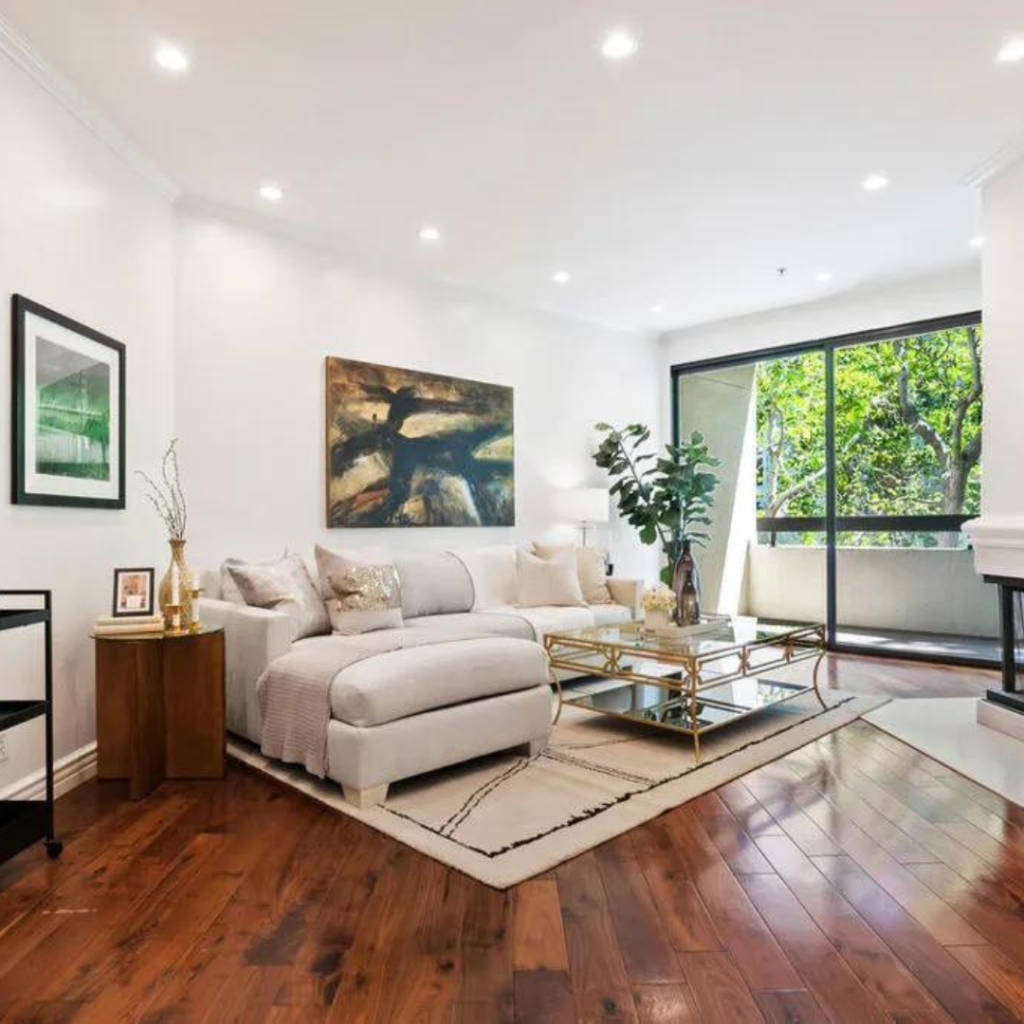
Primary Structural Finishes........... Engineered Walnut Hardwoods, Solid Quartz Countertops
Mechanical Infrastructure............. Individual Electric HVAC Heat Pump, Concealed Laundry
HOA Covered Amenities Matrix.......... 24/7 Guarded Gates, 3 Pools, 3 Tennis/Pickleball Courts
================================================================================
The super-prime high-density residential market within Century City operates on an intense valuation premium driven by gated security, proximity to West Los Angeles entertainment hubs, and absolute vertical land scarcity. When a ground-floor premium condo like Unit 105 at Century Park Place—marketed as La Mansion—enters the transaction registry carrying an entry framework crossing the $1,200,000 USD threshold, consumer-facing retail real estate platforms immediately activate a standard emotional narrative. They deploy enthusiastic marketing prose detailing calming chamomile tea on private patios, warm walnut floors, and resort-style pools, inviting buyers to view a shared multi-family vertical asset as a isolated, passive personal sanctuary.
This institutional risk assessment and financial underwriting report completely strips away that lifestyle marketing veneer. This asset class is not a detached estate; it is a highly interdependent slice of urban infrastructure bound to a shared corporate governance model. By evaluating this property through the unvarnished mechanics of California ground-floor micro-climates, escalating Homeowners Association (HOA) operational liabilities, collective earthquake insurance exposure, localized West LA municipal taxes, and alternative asset opportunity costs, this audit establishes the real-world operational liabilities hidden behind the guarded gates of Century Park Place.
SECTION 1: THE GROUND-FLOOR VOID: STRUCTURAL LIABILITIES OF UNIT 105
The primary structural layout asset of Unit 105 is its split dual-suite configuration, which places bedrooms on opposite sides of a central open great room to maximize internal personal privacy. This ground-level unit features a south-facing aspect, utilizing an open patio layout designed to transition the interior walnut flooring directly into the property’s manicured park-like common grounds.
From a civil engineering and high-density structural standpoint, occupying a lower-level unit within a massive multi-story concrete-and-steel building frame introduces specific technical liabilities:
                      [ Multi-Story Structural Gravity Pressures ]
                                           │
       (Sub-Surface Hydrostatic Pressure | Soil Moisture Migration | Vertical Plumbing Stacks)
                                           │
         ┌─────────────────────────────────┴─────────────────────────────────┐
         ▼                                                                   ▼
[ Sub-Slab Vapor Inversion ]                               [ The Upper-Tier Plumbing Threat ]
Groundwater vapor migrates upward through concrete,        Main vertical wastewater drops exit right above
threatening the engineered walnut flooring base.           the lower level unit ceiling frames.
The Sub-Slab Vapor Moisture Inversion: Ground-floor condominium units sit directly above the building’s foundational slab or subterranean parking garage decks. In older West LA luxury complexes, sub-slab vapor barriers can degrade over decades. Hydrostatic moisture from the surrounding irrigated park lawns travels horizontally through the porous concrete. If the indoor relative humidity is not controlled, this vapor migrates upward into the subfloor, causing premium engineered walnut planks to warp, cup, and separate over time.
The Upper-Tier Plumbing Drop Overload: In a vertical multi-family structure, all individual wastewater columns, master drainage lines, and main plumbing pipes from upper levels route down through common vertical shafts. Because Unit 105 sits at the base of these lines, it bears the highest cumulative hydraulic pressure. If an upper-tier resident flushes improper materials or experiences a severe pipe blockage, the plumbing backup will naturally seek the lowest point of exit—threatening the ground-floor quartz kitchen and stone bathroom fixtures with catastrophic graywater damage.
SECTION 2: THE HOA COVENANT CAGE: MANAGING COMMON AREA ASSESSMENTS
The marketing material highlights the extensive resort lifestyle package bundled with the purchase: three outdoor pools, three tennis and pickleball courts, an on-site office with dedicated administration staff, private dog-walking zones, and a fitness center. These features are positioned as effortless, value-add amenities wrapped into a single, cohesive community package.
In the lexicon of corporate asset management, a luxury residential complex with extensive recreational amenities represents a significant operational and capital expense liability:
[ Active Resort Amenities Infrastructure ] ──► [ Regular Facility Wear ] ──► [ Reserve Fund Drawdowns ]
                                                                                         │
[ Sudden Special Assessment Levies ] ◄── [ Deficits in Long-Term Capital ] ◄── [ Escalating HOA Monthly Fees ]
The Escalating Monthly Strata Assessments: Running multiple heated swimming pools, high-intensity tennis court lighting grids, automated perimeter security systems, and an administrative staff requires a massive operational budget. The HOA must adjust monthly dues to counter rising utility inflation and labor costs. These dues are mandatory, non-negotiable cash expenses that must be settled every thirty days, functioning as a permanent holding cost that compresses your property’s net return.
The Shock of Mandatory Special Assessments: Under California’s Davis-Stirling Common Interest Development Act, condominium boards must execute regular reserve fund studies to track the life expectancy of shared assets (roofs, elevators, pool heaters, tennis surfaces). If the reserve fund falls behind real-world replacement costs, the board has the legal authority to pass a Special Assessment. Every owner is handed a mandatory invoice reaching thousands of dollars to fund structural upgrades. Even if you never use the tennis courts or pools, you are legally bound to settle the bill to prevent a property lien.
SECTION 3: THE CALIFORNIAN EARTHQUAKE MATRIX: SHARED INSURANCE EXPOSURE
A key convenience featured inside the HOA’s master prospectus is the inclusion of blanket earthquake insurance coverage, along with DirecTV, high-speed internet, and 24/7 gate security. This is presented as an ultimate layer of protection, giving the owner complete peace of mind within Southern California’s active seismic landscape.
Evaluating this shared risk model requires examining the structural and insurance realities of high-density California assets:
+-----------------------------------+-----------------------------------+
| Freehold Independent Fire Policy  | Shared Multi-Family Master Policy |
+-----------------------------------+-----------------------------------+
| Low, stable premiums under total  | Massive collective deductible caps|
| control of the individual owner;  | that can trigger shared owner     |
| zero risk of shared default debt. | loss-assessment claims post-quake.|
+-----------------------------------+-----------------------------------+
The Deductible Loss-Assessment Trap: Master earthquake policies covering multi-million dollar high-rise complexes carry exceptionally high deductibles—frequently ranging from 10% to 20% of the building’s total replacement value. If a major seismic event occurs along the nearby Santa Monica fault line, causing structural damage to the common concrete framing or underground utility systems, the master insurance policy will not pay out a single dollar until the multi-million dollar deductible is met. The HOA board will immediately issue an emergency loss-assessment levy to all co-owners to cover the gap, instantly forcing you to deploy significant capital to repair common areas.
The Risk of Shared Financial Delinquency: If a regional economic correction or mortgage market shift occurs, a percentage of co-owners within the community may default on their monthly HOA obligations. Because the building functions as a single financial entity, the remaining compliant owners must absorb the budget deficit to maintain core utilities, security operations, and master insurance policies, adding an institutional layer of risk to your investment.
SECTION 4: THE GROUND-FLOOR PRIVACY PARADOX AND URBAN SECURITY NOISE
The listing praises the serene, park-like grounds wrapping around Unit 105, highlighting the soft birdsong and manicured green spaces visible through the expansive windows. While looking out onto greenery presents an elegant aesthetic, managing a ground-floor residential layout inside a dense urban infill zone introduces distinct privacy and security trade-offs.
The daily operation of a lower-tier unit within a large multi-family complex requires evaluating the movement of people and security forces around your private boundaries:
The Public Foot-Traffic Visual Incursion: Because Unit 105 directly interfaces with the common park lawns, dog-walking areas, and walkways leading to the resort pools, your private outdoor patio and interior living salons sit within the direct line of sight of passing residents, staff, and guests. To maintain basic internal family privacy, you are forced to permanently run window sheers or automated blinds, neutralizing the natural light asset highlighted in marketing brochures.
The Echo of Shared Amenities Noise: Being positioned on the lower level near community pathways means your private space is exposed to the ambient noise of daily property operations: morning landscaping machinery, package delivery transit, gate security patrols, and evening social traffic moving toward the club room, creating a persistent acoustic background that breaks down the promise of hushed tranquility.
SECTION 5: LOS ANGELES LUXURY TAXATION: NAVIGATING FISCAL ENTRY AND CARRYING COSTS
The financial analysis of deploying capital into the West LA real estate sector requires navigating a strict regulatory taxation framework engineered by municipal and state authorities to capitalize on high-value property acquisitions.
Upon entry, and throughout your holding window, your capital is subject to non-refundable fiscal drains that lower your overall portfolio mobility:
[ Your Liquid Capital Allocation: ~$1,300,000 USD ]
                                 │
         (California Proposition 13 Real Estate Assessment)
                                 │
[ Mandatory Annual Property Tax: ~$15,000+ USD Recurring Cash Drain ]
The Measure ULA Threshold Exemption: Because the transaction value of this individual condo lot sits well below the $5,000,000 capital line, the acquisition completely escapes the punitive 4.0% to 5.5% Los Angeles “Measure ULA” transfer tax that targets upper-tier mansion assets. This exemption preserves your entry liquidity and makes the property an efficient vehicle for mid-market capital deployment compared to West LA freehold estates.
The Prop 13 Property Tax Realignment: Under California’s Proposition 13 framework, base real estate property taxes are reassessed immediately upon a transfer of ownership at roughly 1.1% to 1.25% of the newly established purchase price. For a Century City condo asset clearing at $1,300,000, your annual recurring property tax bill scales to a fixed invoice exceeding $14,300 to $16,250 every calendar year, acting as a permanent, non-yielding holding cost on your liquid wealth.
SECTION 6: COMPREHENSIVE STRUCTURAL MATRIX
Marketing Claims vs. Institutional Valuation Realities
| The Hyper-Luxury Feature | The Broker’s Glamorous Presentation | The Real-World Operational & Financial Reality |
| $1,200,000+ Market Price | An affordable luxury entry point indicating success within Century City’s premium core. | Capital lockup within a shared multi-family asset subject to strict corporate HOA bylaws. |
| Ground-Floor Unit 105 Layout | A south-facing level haven bathed in natural light with an effortless private walk-out patio. | High vulnerability to sub-slab moisture migration, vertical plumbing drops, and foot-traffic visual incursions. |
| Three Resort-Style Pools | Sparkling aquatic paradises designed for refreshing dips on warm summer days. | Permanent structural maintenance burden causing high monthly dues and potential special assessments. |
| Master HOA Insurance Policy | Full peace of mind security featuring pre-arranged, blanket earthquake coverage. | Massive 10-20% policy deductibles translate to immediate collective loss-assessment levy exposures. |
| Century City Urban Proximity | Direct tactical access to world-class shopping, dining, and elite entertainment venues. | Exposure to dense urban commuter traffic bottlenecks and regional West LA road congestion. |
| Concealed In-Unit Laundry | A beautifully considered, streamlined aesthetic built to enhance everyday convenience. | Increases internal moisture load risks within a closed ground-floor layout if ventilation drops. |
SECTION 7: THE SUB-MARKET LIQUIDITY HORIZON OF URBAN CONDOMINIUMS
While the ultra-luxury estate market across Bel-Air and Beverly Hills experiences long trading horizons and high asset illiquidity, the mid-tier luxury condo market inside Century City operates under an entirely different economic velocity. Because these assets sit directly adjacent to major commercial business hubs, talent agencies, and elite corporate offices, they map to a stable, highly liquid professional buyer pool.
▲ [ $5M+ Elite Penthouse Layer: Century Towers ] ──► Buyer Pool: International Wealth Allocators & Executives (Moderate Speed)
■ [ $1M - $2M Core Stratum: Century Park Place Unit 105 ] ──► Buyer Pool: Affluent Local Professionals, Expats, & Downsizers (High Velocity)
● [ Under $600K Retail Stratum: Outlying LA Apartments ] ──► Buyer Pool: First-Time General Buyers & Retail Investors (Rapid Velocity Trading)
If your primary business operations or global equity portfolios encounter an unexpected requirement for rapid liquidity, a 2-bedroom condo at Century Park Place can be converted back into liquid cash far more efficiently than a custom mountain chalet or a historic estate. The absolute pool of active buyers possessing the leverage or cash to finalize a transaction at this tier—including local downsizers and affluent professionals seeking a secure lock-and-leave urban footprint—is consistently active.
However, because you are trading within a highly standardized market layer where multiple similar units may be listed simultaneously across the neighborhood, your asset retains zero pricing monopoly. To execute an exit within a clean 60-day window, your pricing strategy must match local comps, preventing you from extracting massive emotional premiums upon resale.
SECTION 8: THE OPPORTUNITY COST ANALYSIS OF URBAN CONDO CAPITAL
The final financial reality that any sophisticated wealth allocator must analyze before deploying capital into this Century City condo is the profound opportunity cost of capital. When you lock away $1,300,000 of liquid wealth into a primary residence or a seasonal urban footprint, you are permanently removing that capital from the global financial landscape where it could be working to produce highly secure, compounding yields.
Let us run an objective, conservative financial comparison of how that exact block of wealth behaves over a standard five-year investment holding window when deployed into active, liquid market instruments versus sitting inside a dead luxury condo asset:
+-----------------------------------+-----------------------------------+
| $1.3M Capital Sunk in Condo Unit  | $1.3M Capital Deployed in Markets |
+-----------------------------------+-----------------------------------+
| Generates $0 in passive cash flow.| At a conservative 6% compounding  |
| Accumulates massive annual bills  | annual yield, generates over      |
| for HOA dues, taxes, & insurance. | $78,000 in cash *every year*.     |
+-----------------------------------+-----------------------------------+
Over a five-year investment window, a professional, diversified corporate portfolio worth $1,300,000 will effortlessly produce over three hundred and ninety thousand dollars in clean, highly liquid compounding profit while maintaining absolute capital mobility. Conversely, the Century City condo will have actively drained tens of thousands of additional dollars out of your pocket to cover California real estate property taxes, monthly HOA maintenance service charges, individual electrical heating utility bills, and potential loss-assessment levies, while its final secondary market resale value remains completely dependent on the unpredictable high-density property cycles of Los Angeles. From a standpoint of raw wealth optimization and asset protection, spending this scale of money on a single home is an inefficient use of capital.
INSTITUTIONAL PORTFOLIO VERDICT & ACTIONABLE DIRECTIVES
Primary Disqualification Criteria
The Total Freehold Autonomy Purist: If your property management philosophy demands absolute, uncompromised control over structural modifications, exterior finishes, and utility infrastructure choices without answering to an HOA board.
The Absolute Absolute Privacy Advocate: If you find the concept of sharing building floor plates, vertical plumbing shafts, and ground-floor common paths with neighborhood foot traffic and passing pets operationally annoying.
The Low-Overhead Capital Allocator: If your portfolio has zero tolerance for funding unrecoverable monthly facility fees, pool utility management costs, and unpredictable structural special assessment invoices.
Justifiable Investment Parameters
The Secure Turnkey Urban Executive: Who requires a high-security, low-maintenance, lock-and-leave residential footprint within the immediate commercial core of West Los Angeles for business operations.
The Liquidity-Focused Property Allocator: Who values the high transaction velocity and consistent resale demand of the Century City condo market, utilizing the asset as a stable, predictable real estate holding.
The Portfolio Diversification Play: Meaning a capital deployment of this scale represents a minor, un-leveraged percentage point of your global wealth index, serving a functional lifestyle need while completely neutralizing short-term opportunity cost concerns.
Pre-Acquisition Mandate: Before Committing Capital to REM
Prior to initiating formal contract reviews, scheduling private site inspections, or outlining capital settlement frameworks for Unit 105 at Century Park Place, you must protect your global capital by executing a rigorous independent audit:
Sub-Slab Moisture and Vapor Barrier Test: Deploy independent flooring technicians to execute concrete moisture emission tests across the ground-floor slab, validating seal integrity before taking on walnut hardwood liabilities.
HOA Financial and Reserve Fund Legal Review: Retain a specialized condominium attorney to thoroughly audit the HOA’s master financial ledgers, reserve fund saturation percentages, and multi-year mechanical infrastructure maintenance schedules to ensure no massive special assessments are pending for tower roof or elevator overhauls.
Vertical Plumbing Shaft Integrity Audit: Request documented building maintenance history tracking the clear-out frequencies of the main vertical waste drops routing adjacent to Unit 105 to mitigate common-line sewage backup risks.
To request the complete architectural layout blueprints, to review official HOA compliance summaries, or to arrange an independent private tour of the condo grounds, contact REM. Ensure you approach the negotiation table with a completely clear, realistic perspective on the long-term operational and financial realities of ultra-luxury vertical asset co-ownership.
Vertical Infrastructure Reference
To visualize how modern vertical frames, custom interior floor plans, and premium structural finishes are managed within elite urban condo and penthouse portfolios, review this comprehensive structural walkthrough of an architectural landmark skyhome. This showcase highlights the high-value physical infrastructure that modern property managers must actively secure, maintain, and monitor to protect long-term capital investments.

Moses Oyong is a Real Estate Growth Marketing Manager and PropTech specialist with over a decade of closing residential and commercial deals worth over 200 million across Nigeria and international markets. Known for engineering AI-driven workflows that delivered a 69% uplift in sales targets and cut lead response times by 85%, Moses bridges the gap between high-performance marketing, land law, and technology to help investors, developers, and first-time buyers make confident, informed property decisions in an increasingly digital world.