# Fast Mind, Timeless Work II ### What Pal Pang looks for once the photograph is over *Missed Part I? It covers why Pal Pang, a man with almost no patience, will sit on a finished house for years before anyone sees it.* In recent years, Pang has spent more time on judging panels than promoting his own projects, serving on juries for the ADC Architecture & Design Collection Awards, the BLT Built Design Awards, and the SIT Furniture Design Award. The role changed what he pays attention to. Not the photograph itself, but everything the photograph doesn't show. He remembers one entry that nearly captured every judge in the room. The light was beautiful. The proportions were beautiful. The materials were beautiful. It was only afterward, flipping back through the floor plan, that he noticed the kitchen island's placement forced anyone walking from the refrigerator to the stove to take a long way around, every single day. "The camera doesn't catch that," he says. "But whoever lives there feels it, every day." Something closer to his own character: during the installation phase of a project in London, he did something that left his team baffled, he refused to hang the artwork according to the marks that had already been drawn up. "The placement," he said, "has to wait for the sun to tell me." For a few days, he wasn't in any hurry to finish. Instead, he played Max Richter through a portable speaker, filling the still-unfinished space with sound, and watched the light work its way through the window mullions, tracking it as it moved, over the course of the earth's rotation, across the walls, along the grain of the stone. One painting would suddenly come "alive" under the ten o'clock light; at a different hour, it looked flat and lifeless. "It's a tedious way to observe things," he admits. "But what I want is the feeling you get walking into a room and not being able to say exactly why, just that you don't want to leave." That same near-obsessive standard carries over into furniture. Alongside his interior work, Pang has spent more of his time in recent years on a furniture line, which he calls "Micro Architecture," not because the pieces are small, but because he believes a chair is more honest than a room. "With interiors, you can hide behind lighting, behind flowers, behind a dozen other things," he says. "A chair can't hide behind anything." Working on a new line of furniture, he says the steel finishing has to be handled like the case of a Vacheron Constantin, not beautiful from a distance, but something you only understand once you're holding it. He picks up a prototype still being reworked. The joint between the leg and the seat has already been revised three times. The first attempt was too sharp. The second, too rounded. He's still not happy with the third. "Whether it's comfortable to sit in," he says. "You know within three seconds. There's nowhere to hide." Looking back, his early career pointed in a completely different direction. When he founded Another Design International in Hong Kong in 2002, much of his work was commercial, showrooms, including one for Jaguar. That world ran on a different rhythm entirely: grab attention in the first glance, be the center of the room on opening night, keep the cameras rolling. He rarely brings up those projects anymore. What he returns to instead is a different image, not a showroom, not a mansion, but a home that's been lived in for ten years. Homework on the dining table. A worn patch on a chair. Shoes kicked off by the door. No one photographs any of it. Everyone just keeps using it. Before the interview ends, he checks his phone again. Not the newly completed project, a five-year-old home instead. There's no photographer's lighting in the picture, nothing arranged for effect. Just a dining table that has started to show signs of use. He looks at it for a moment. Smiles. "Now it's starting to feel like a home." --- **The Details** Name: Pal Pang (彭裕仁) Role: Interior architect, artist, founder of Another Founded: 2002, Hong Kong Base: Hong Kong / London Status: Shortlisted, international residential design award, Best Interior Design: Development Jury: ADC Architecture & Design Collection Awards / BLT Built Design Awards / SIT Furniture Design Award Exhibition: 2025 Venice Biennale, "Time Space Existence" (European Cultural Centre)

Fast Mind, Timeless Work II

Fast Mind, Timeless Work II

What Pal Pang looks for once the photograph is over

Missed Part I? It covers why Pal Pang, a man with almost no patience, will sit on a finished house for years before anyone sees it.

In recent years, Pang has spent more time on judging panels than promoting his own projects,

serving on juries for the ADC Architecture & Design Collection Awards,

the BLT Built Design Awards, and the SIT Furniture Design Award.

The role changed what he pays attention to. Not the photograph itself, but everything the photograph doesn’t show.

He remembers one entry that nearly captured every judge in the room.

The light was beautiful.

The proportions were beautiful.

The materials were beautiful. It was only afterward, flipping back through the floor plan,

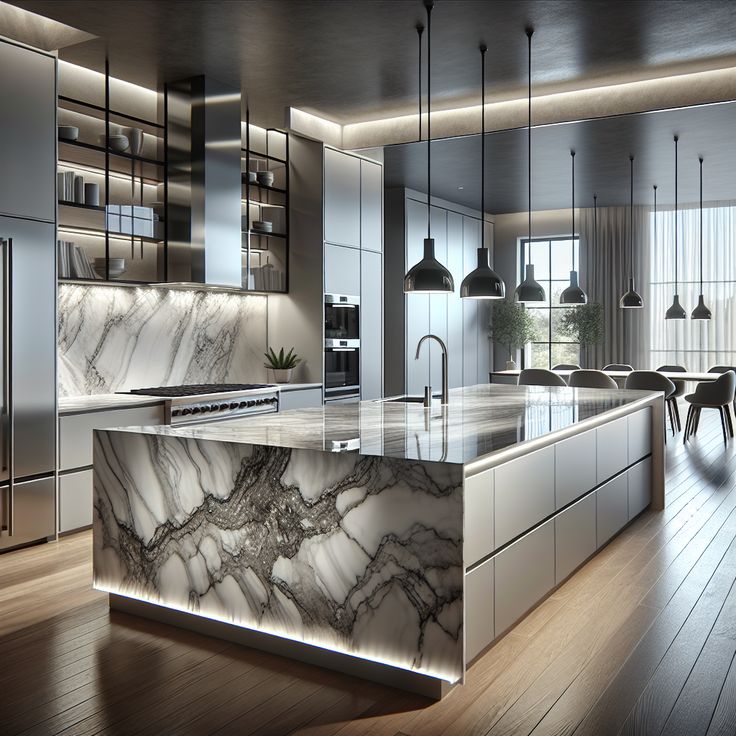
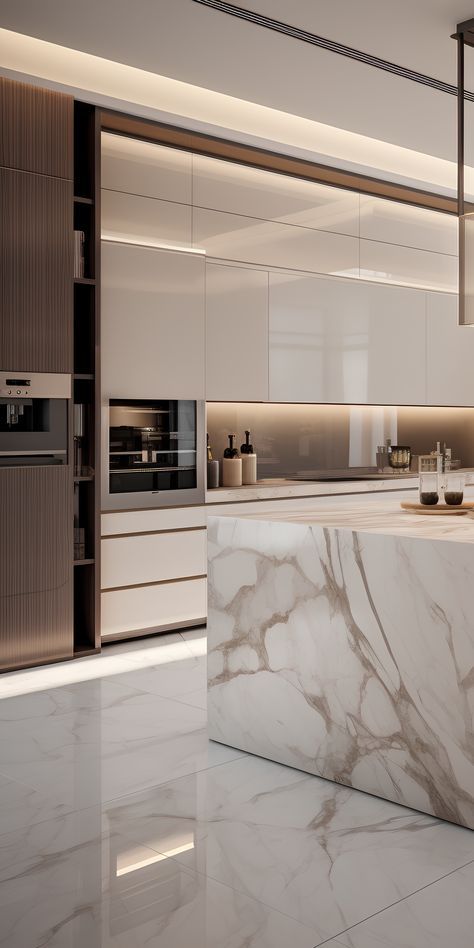
that he noticed the kitchen island’s placement forced anyone walking from the refrigerator to the stove to take a long way around, every single day.

“The camera doesn’t catch that,” he says.

“But whoever lives there feels it, every day.”

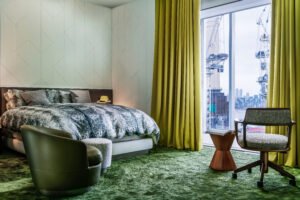
Something closer to his own character: during the installation phase of a project in London,

he did something that left his team baffled, he refused to hang the artwork according to the marks that had already been drawn up.

“The placement,” he said, “has to wait for the sun to tell me.”

For a few days, he wasn’t in any hurry to finish.

Instead, he played Max Richter through a portable speaker,

filling the still-unfinished space with sound, and watched the light work its way through the window mullions,

tracking it as it moved, over the course of the earth’s rotation,

across the walls, along the grain of the stone.

One painting would suddenly come “alive”

under the ten o’clock light; at a different hour, it looked flat and lifeless.

“It’s a tedious way to observe things,” he admits.

“But what I want is the feeling you get walking into a room and not being able to say exactly why,

just that you don’t want to leave.”

That same near-obsessive standard carries over into furniture.

Alongside his interior work, Pang has spent more of his time in recent years on a furniture line,

which he calls “Micro Architecture,” not because the pieces are small,

but because he believes a chair is more honest than a room.

“With interiors, you can hide behind lighting, behind flowers, behind a dozen other things,”

he says. “A chair can’t hide behind anything.”

Working on a new line of furniture,

he says the steel finishing has to be handled like the case of a Vacheron Constantin,

not beautiful from a distance, but something you only understand once you’re holding it.

He picks up a prototype still being reworked.

The joint between the leg and the seat has already been revised three times.

The first attempt was too sharp.

The second, too rounded. He’s still not happy with the third.

“Whether it’s comfortable to sit in,” he says.

“You know within three seconds.

There’s nowhere to hide.”

Looking back, his early career pointed in a completely different direction.

When he founded Another Design International in Hong Kong in 2002,

much of his work was commercial, showrooms, including one for Jaguar.

That world ran on a different rhythm entirely: grab attention in the first glance,

be the center of the room on opening night, keep the cameras rolling.

He rarely brings up those projects anymore.

What he returns to instead is a different image,

not a showroom, not a mansion, but a home that’s been lived in for ten years.

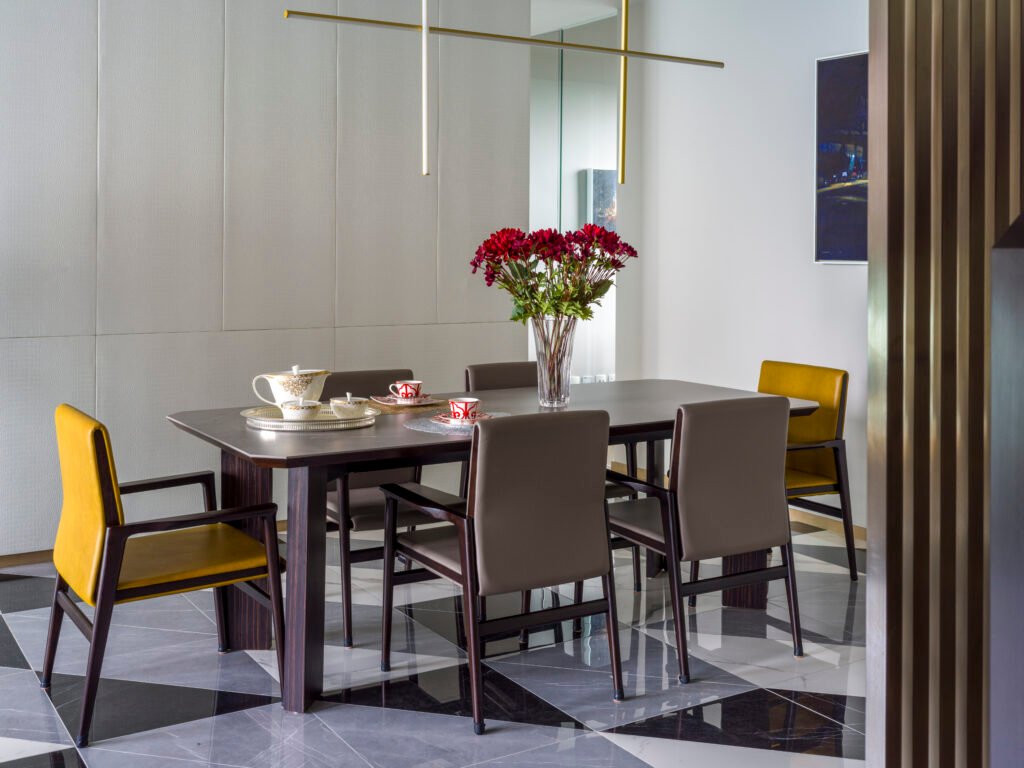
Homework on the dining table.

A worn patch on a chair.

Shoes kicked off by the door.

No one photographs any of it.

Everyone just keeps using it.

Before the interview ends, he checks his phone again.

Not the newly completed project, a five-year-old home instead.

There’s no photographer’s lighting in the picture, nothing arranged for effect.

Just a dining table that has started to show signs of use.

He looks at it for a moment. Smiles.

“Now it’s starting to feel like a home.”

97dbbb923cf3b9b0ef664994bdffdadb4700a414bc3d9276f3254a8e5bf10f36?s=150&d=mp&r=g

Moses Oyong is a Real Estate Growth Marketing Manager and PropTech specialist with over a decade of closing residential and commercial deals worth over 200 million across Nigeria and international markets. Known for engineering AI-driven workflows that delivered a 69% uplift in sales targets and cut lead response times by 85%, Moses bridges the gap between high-performance marketing, land law, and technology to help investors, developers, and first-time buyers make confident, informed property decisions in an increasingly digital world.
Share this with your loved ones!
Scroll to Top