In the ever-evolving world of interior design, we find ourselves at a crossroads where the traditional concepts of luxury are being challenged by a new wave of thoughtfulness and sustainability.
As designers, our role is no longer just to create visually stunning spaces but to craft environments that are as responsible as they are inspiring.
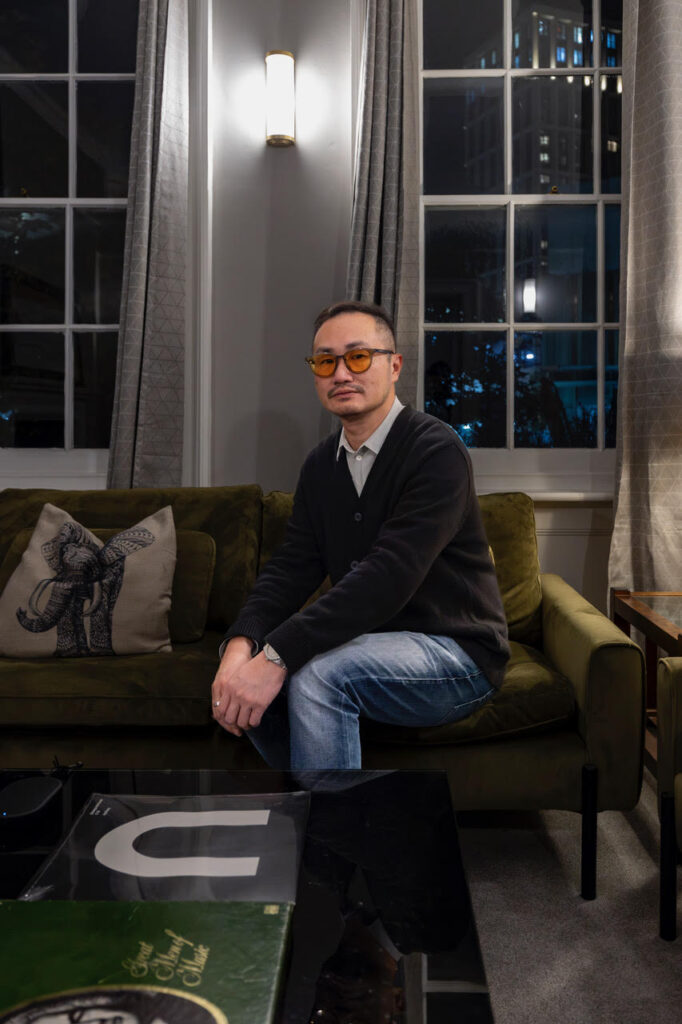
I am Pal Pang, an interior designer with over two decades of experience, and I’ve spent my career reimagining what it means to live in luxury.
Throughout my career, I have watched design movements come and go, but the shift we are witnessing today is not a fleeting trend. It is a permanent rewrite of what it means to live beautifully.
True luxury is no longer defined by how much money was spent on a surface finish; it is defined by the depth of thought, the purity of materials, and the structural integrity of the spatial journey. It is a transition from loud consumerism to quiet, intentional curation.
Sustainability: The Foundation of Modern Luxury
Sustainability is no longer a shallow marketing buzzword or an optional checkbox on a design brief—it is the foundational bedrock of all contemporary high-end design. The days when luxury was synonymous with endless excess, exotic animal skins, and massive carbon footprints are firmly behind us.
Instead, we are moving rapidly toward a conscientious, circular approach where every single material choice, every construction method, and every sourcing path carries with it the profound weight of environmental responsibility.
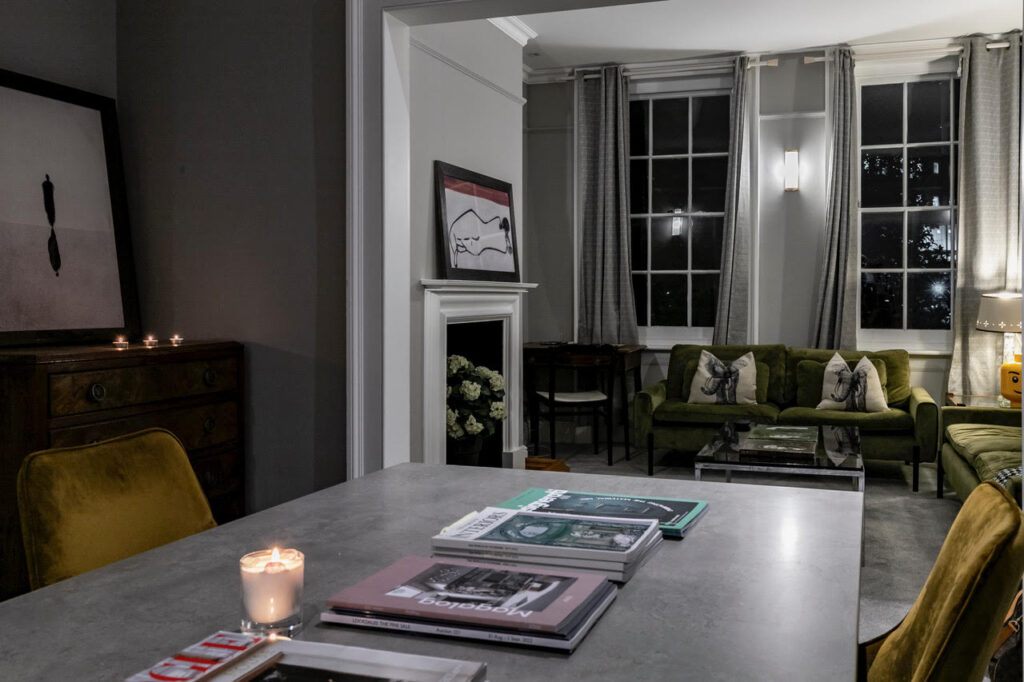
In my recent work executing a comprehensive restoration of a historic Mayfair apartment, I fully embraced the use of reclaimed, recycled, and circular materials. These substances do not represent a compromise on high-end style; rather, they enhance it. Materials that are rich with personal history, physical texture, and regional character do far more than reduce our collective environmental footprint—they inject a unique, irreplaceable narrative into the spaces we create.
The careful use of natural, sustainable resources such as FSC-certified reclaimed wood, low-impact hemp, and eco-friendly organic textiles was absolutely integral in maintaining a perfect, delicate balance between classic opulence and modern ecological responsibility.
When we choose to integrate advanced circular design principles directly into the core skeleton of our spaces, we are doing far more than simply preserving the natural planet for future generations. We are actively elevating the very essence of luxury to new heights of refinement.
A material that has been carefully salvaged from a historic structure, meticulously restored by local master artisans, and repurposed as a stunning statement wall paneled block possesses an emotional resonance that a generic, mass-produced luxury laminate can never replicate. This is where authentic luxury resides: in the invisible layers of care, heritage, and responsibility that form the background of daily life.
Designing for Well-Being
As the external world becomes increasingly fast-paced, loud, and digitally driven, our homes must evolve to serve a higher purpose. They can no longer function as simple static shelters; they must operate as highly active personal sanctuaries—restorative environments where we can deeply recharge our physical bodies, ground our minds, and reconnect with what truly matters.
The intentional integration of advanced biophilic design elements is absolutely essential in creating environments that actively promote long-term human wellness. Human biology evolved over millions of years in response to natural patterns, shifting daylight cycles, and organic textures. When we force our bodies to live in sterile, hard-angled boxes illuminated by harsh artificial lighting, we trigger chronic subconscious stress.
At the Mayfair apartment project, I sought to engineer a living space that functions as a deep, transformative retreat from the intense urban friction of London. By maximizing the transmission of natural daylight, incorporating structured indoor greenery matrix walls, and deploying calming, matte organic mineral finishes, the entire apartment embodies a state of absolute tranquility.
Medical and psychological research demonstrates that direct exposure to living plants and natural wood grains can drop human stress hormones by 15% after just fifteen minutes of exposure, while acoustic exposure to flowing water features speeds up physiological recovery from daily stressors by up to 37%.
By treating interior architecture as a direct baseline for health, we choose materials based on how they affect human biology. This means prioritizing non-toxic, low-VOC finishes to protect indoor air quality, utilizing acoustic dampening layers to eliminate urban noise pollution, and planning spatial layouts to optimize natural air circulation.
As luxury designers, we possess the unique power to transform ordinary residential spaces into protective havens of serenity, where the chaotic pressures of the outside world can melt away the moment you cross the threshold.
The Power of Personalization
In an age dominated by mass production, copy-paste digital trends, and algorithmic conformity, true individuality has become the ultimate manifestation of luxury. Every client possesses a completely unique life story, a distinct cultural heritage, and a specific set of daily rituals. Therefore, their private home should never look like a generic showroom; it should operate as an authentic, physical mirror of their soul.
I firmly believe that the most successful, enduring interior designs are those that act as beautiful storytellers—weaving a narrative that is deeply personal and resonates with the inhabitant’s truest identity, values, and aspirations.
In the Mayfair apartment project, personalization was treated as our primary design guide. Each element of the interior architecture was chosen to reflect the precise personality and global lifestyle of the client, creating a home that is deeply personal.From custom-engineered dining tables carved from a single fallen estate oak tree to bespoke plaster art installations that play with the morning shadows, every single detail was meticulously curated to match the client’s unique vision.
Personalization goes far beyond the superficial steps of picking out a custom paint scheme or selecting a premium fabric line for a luxury sofa. It is about creating a space that feels deeply, intrinsically yours—an environment where every shadow, every texture, and every line of sight forms an external reflection of who you are and where you have traveled.

When a home achieved this level of customized alignment, it becomes completely timeless, immune to changing external design fads.
Seamless Integration of Technology
As advanced digital systems continue to shape every dimension of our modern lives, their integration into our private living spaces must be handled with extreme care, sophistication, and restraint.
The greatest challenge facing contemporary luxury architects lies in making technology a powerful enabler of daily comfort, home security, and energy efficiency without allowing it to dominate the visual aesthetic of the room.
A high-end space should never feel like a cold, flashing consumer electronics store. True technological luxury is completely silent, invisible, and deeply intuitive.
At the Mayfair apartment, smart home infrastructure was woven into the physical fabric of the building in a way that actively enhances the living experience while maintaining the historic residence’s elegant, classic design lines.Instead of mounting large, distracting touchscreens on every wall, we utilized plaster-matched, flush control pads that blend smoothly into the walls. Enter a room, and the home automation platform works quietly in the background to streamline your day:
Circadian Lighting Paths: Advanced LED lighting networks that automatically alter their color temperature and brightness levels in sync with the natural movement of the sun, casting crisp, clear light at noon and shifting into deep, warm amber tones at sunset to protect your sleep cycle.
Invisible Acoustic Soundscapes: High-fidelity transducer speakers mounted completely behind the drywall plaster, causing the walls themselves to radiate crystal-clear sound without a single visible speaker grille or wire bundle clutters.
Predictive Thermal Microclimates: Hidden climate control systems that use local weather sensors to adjust indoor temperature, fresh air exchange, and humidity levels before you even register a change in the outdoor weather.
This is exactly where the future of luxury property optimization lies—in the quiet elegance of an invisible technology stack that serves the inhabitant, making life effortless, deeply connected, and beautifully secure.
Leading the Way Forward
As we look toward the horizon of global design, the interior architecture industry has a vital, leadership role to play. We are no longer just decorators or creators of pretty spaces; we are the active stewards of cultural change, tasked with engineering spaces that are environmentally sustainable, deeply nurturing, and uniquely personal.
This is a profound professional responsibility that I take to heart, and I encourage my fellow design visionaries and smart property investors to do the same.
The path forward is clear: we must fully welcome a new vision of luxury—one that is defined by sustainable stewardship, personal well-being, authentic personalization, and invisible technology. By doing so, we can create spaces that are not only visually stunning but also deeply meaningful and enduring.
In this new era of design, the most luxurious spaces will be those that reflect our deepest human values—where exceptional beauty and environmental responsibility move forward hand in hand.
Together, let’s build a future where design is not just about what we create, but about how cleanly we live, how deeply we respect our natural environment, and how beautifully we express our unique identities.

Pal Pang is an award-winning interior designer with over 20 years of experience in the industry. He is the recipient of numerous prestigious accolades, including the International Property Award for Best Interior Design and the A’ Design Award. His innovative approach to sustainable luxury has garnered recognition across the globe, setting new standards in interior design. Known for his ability to seamlessly blend elegance with environmental responsibility, Pal has worked on some of the most iconic projects, including a prestigious Mayfair apartment, consistently pushing the boundaries of what is possible in the world of interiors.
This is an insightful and innovative article. The focus on sustainable luxury in interior design is exactly what the industry needs. It’s exciting to see how innovative design can merge sustainability with luxurious aesthetics for a brighter, more responsible future.